
Trump Dismisses Affordability Crisis as 'Hoax,' While Data Paints a Stark Contrast
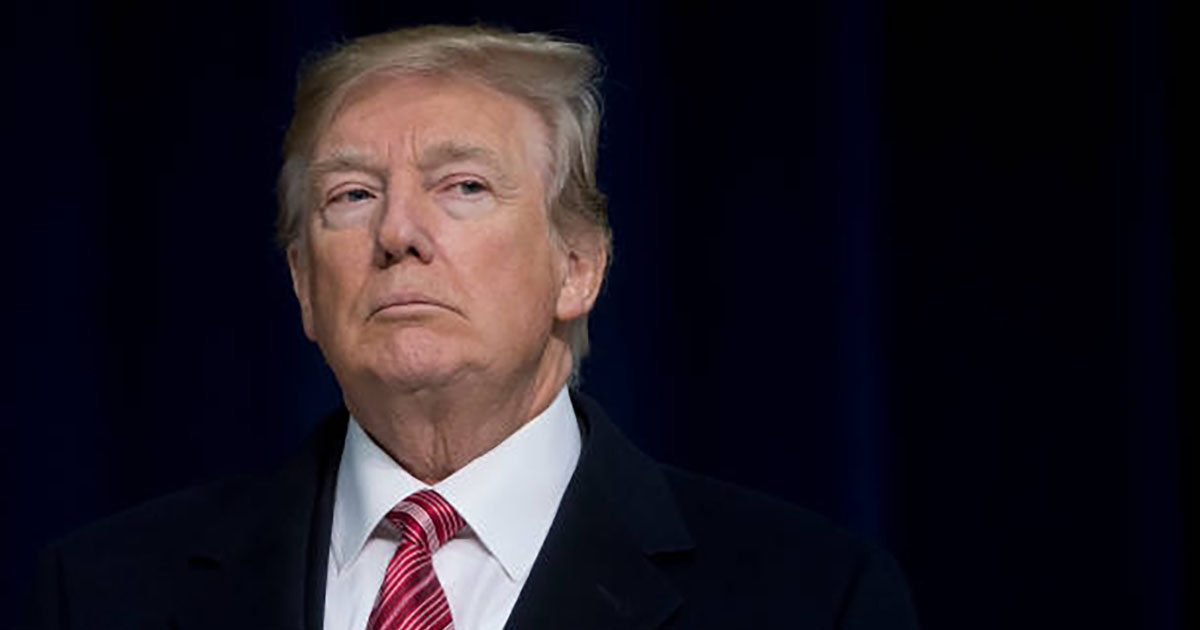
In a political climate dominated by concerns over affordability, Democrats have managed to seize key victories by aligning their campaigns with voter sentiment on rising costs. As inflationary pressures unsettle American households, Democratic candidates are gaining traction with promises to address these financial strains. Their message appears to resonate with constituents feeling the pinch of increased living expenses, providing a stark contrast to former President Donald Trump’s narrative of a robust economy.
Trump’s economic messaging, while buoyant about broader growth metrics, seems to be at odds with the day-to-day experiences of many voters. The former president's emphasis on the strength of the overall economy fails to address the immediate pocketbook issues that voters face. With essentials such as food and housing becoming increasingly expensive, many argue that Trump’s narrative overlooks the real concerns driving voter behavior at the polls.
The Democratic focus on affordability has translated into electoral success, signaling potential shifts in the political landscape. As voters confront practical economic challenges, they appear inclined toward representatives who prioritize policy solutions directly aimed at these issues. The divergence between Trump’s economic assurances and voter anxiety over inflation highlights a crucial rift that may shape upcoming electoral contests.
Analysts note that this trend spotlights an era where economic strategy diverges from pure growth figures to encompass direct cost-of-living considerations. The recent electoral results suggest that addressing these concerns is becoming a critical component of campaign platforms. As the Democratic party capitalizes on these issues, Republicans may face pressure to recalibrate their message, potentially redefining priorities to align more closely with voter concerns over affordability.