
Lawsuit Claims Trump Administration Rewriting History and Science at National Parks
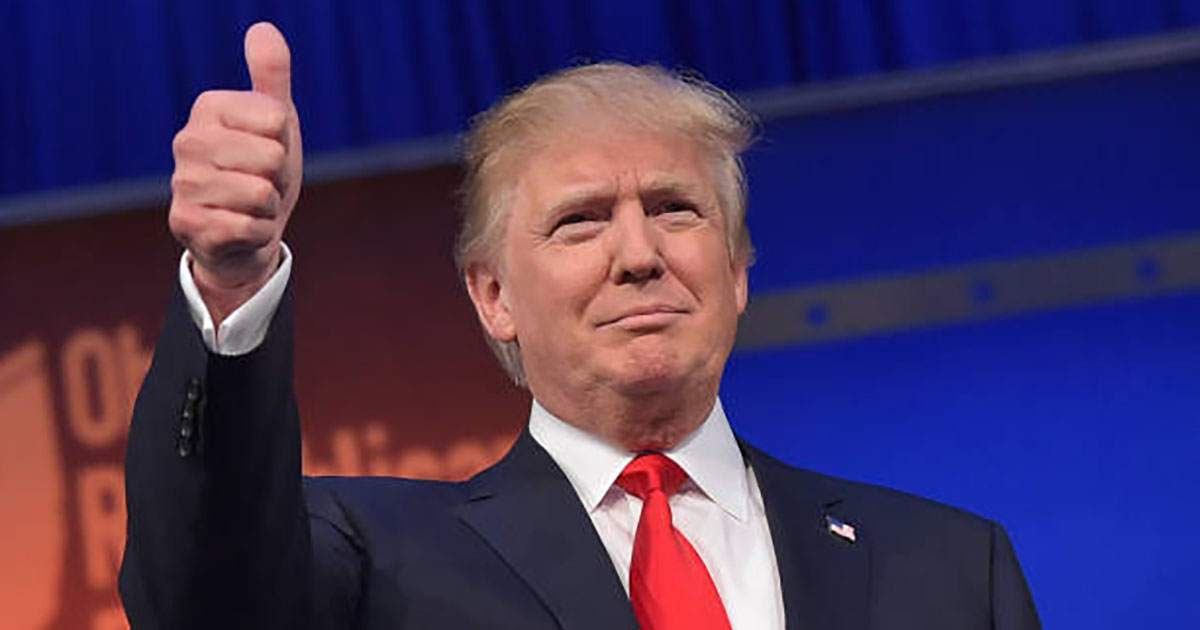
On Tuesday, a coalition of conservation and historical organizations filed a lawsuit against the Trump administration, targeting recent National Park Service policies. These groups assert that the administration's directives have stripped vital elements of history and science from America's cherished national parks, threatening the educational and cultural fabric that these natural sanctuaries have long upheld. The plaintiffs allege that such policies undermine the integrity of park management and call into question the future role of national parks as bastions of historical education and scientific research.
The lawsuit follows a series of controversial changes made by the National Park Service under the Trump administration, which critics argue prioritize economic interests over conservation and education. The administrative policies in question reportedly limit interpretive programs that emphasize the scientific and historical significance of parklands, pivoting instead to highlight recreational opportunities and private partnerships. By sidelining the scientific narratives and historical contexts that have traditionally been central to the national parks' mission, opponents claim the administration is effectively erasing critical components of America's natural heritage.
Central to the debate is the role national parks play in educating the public. Historically, these parks have served as open-air classrooms, blending natural beauty with rich backstories of environmental stewardship and historical events. The plaintiffs argue that by diminishing this educational role, the policies in question could lead to a generation of park-goers less informed about the ecosystems they visit and the historical narratives embedded within the landscapes. Moreover, the organizations involved in the lawsuit stress the importance of preserving a balanced representation of America's diverse history in these federally managed spaces.
In response to these allegations, supporters of the Trump administration's park policies have argued that a focus on recreation and economic efficiency is a pragmatic approach to managing the vast natural resources of the country. They claim that such strategies will encourage broader access to parks, driving economic benefits that can help fund park maintenance and infrastructure improvements. However, the lawsuit contends that these gains should not come at the expense of the parks' educational and cultural missions.
As the legal process unfolds, the case will likely bring to the forefront questions about the fundamental purposes of the national parks in the 21st century. Whether conservation and historical integrity can coexist with increased recreational use and commercial interests remains a pressing challenge for policymakers. The outcome of the lawsuit could have significant implications for how national parks are managed and perceived both domestically and internationally.