
Trump Seeks Billions from Government He Heads
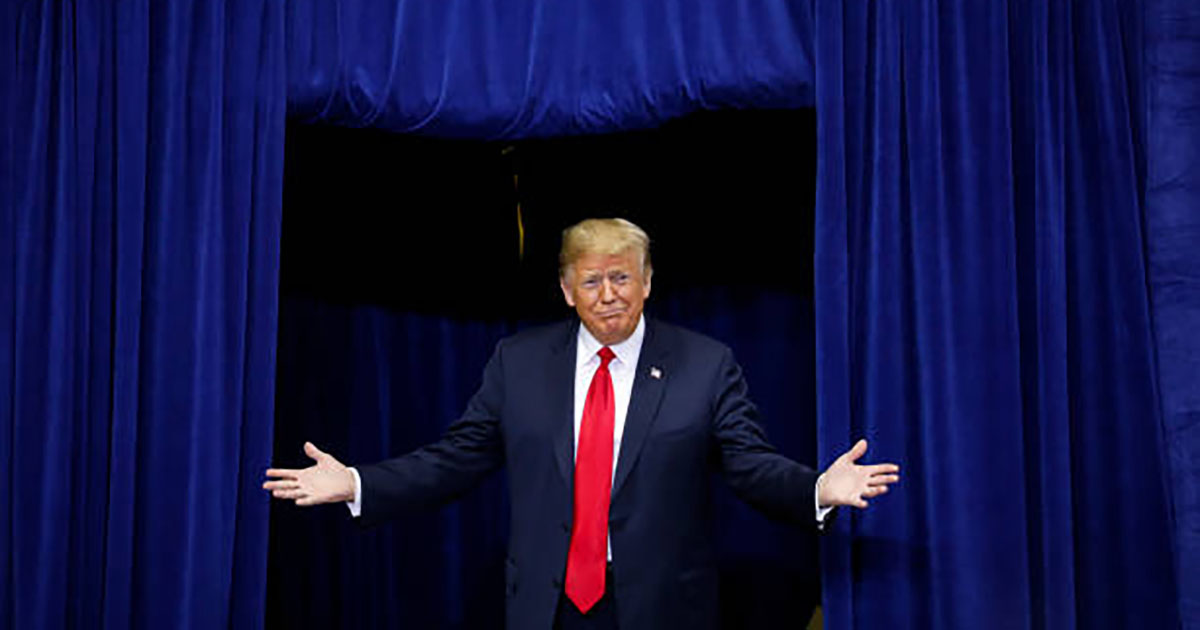
In a move that is sending shockwaves through Washington, President Trump has requested billions of dollars in damages from the federal government, a decision that places his own Justice Department in a perplexing and unprecedented ethical bind. With the potential for conflicts of interest running high, this development has prompted a flurry of debate and speculation among lawmakers, legal experts, and the public alike. Such a scenario raises fundamental questions about the separation of powers and the role of the Justice Department when its head is personally involved in a financial dispute with the government.
This legal maneuver comes at a time when the administration is already grappling with a series of high-profile investigations and lawsuits involving the president and his business dealings. Critics argue that pursuing such damages could set a troubling precedent, where a sitting president might leverage the mechanisms of government for personal financial gain. Legal scholars are quick to highlight the delicate balance that the Department of Justice must maintain to uphold its duty to serve the public interest while navigating this atypical conflict involving the president.
The complexity of the situation is further magnified by the absence of clear guidelines within the legal framework to address such a unique scenario, leaving many to question how the Justice Department can impartially represent both the president's interests and those of the federal government. The outcome of this legal request could have far-reaching implications not just for President Trump, but also for the precedents it sets for future administrations.
Amidst these uncertainties, the political ramifications cannot be ignored. Congressional leaders from both parties are watching closely, aware that any misstep could have profound consequences in the court of public opinion. The very fabric of American governance and the foundational principles of ethics and justice are perceived to be at stake, as the intricate dance between personal interests and public duty continues to unfold.