
Supreme Court Overturns Trump's Tariff Policies
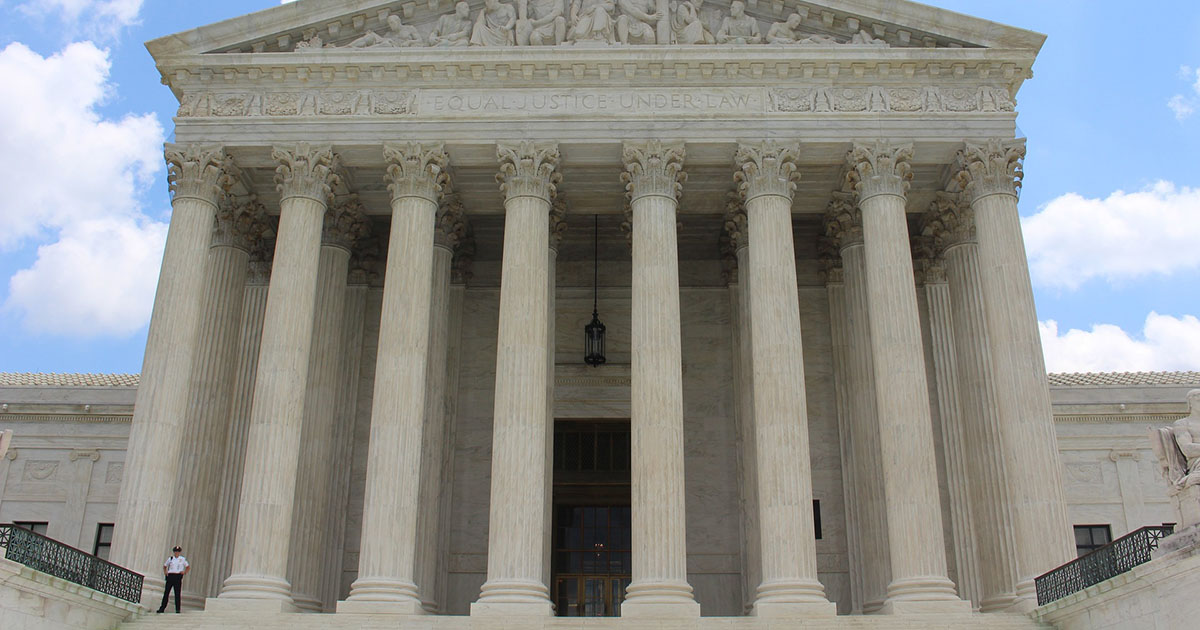
In a landmark decision that has sent ripples through the political and economic landscape, the Supreme Court delivered a 6-3 ruling that effectively dismantles President's flagship economic initiative. This verdict underscores the growing judicial skepticism towards expansive executive ambitions. For the administration, it represents a significant setback, one that could reshape the president's economic agenda moving forward.
The genesis of this ruling stems from a challenging legal landscape where questions about the limits of presidential power in steering major economic policies were brought into sharp relief. Critics have long contended that the president overreached, crafting policy measures that bypassed the traditional legislative processes. Supporters, however, argue that innovative and bold action is necessary in these economically tumultuous times.
While the ruling was anticipated by many as a test of judicial independence, the broader implications for the enforcement of economic policies are profound. This decision signals potential hesitance among the judiciary to endorse unilateral executive actions without clear congressional backing. Consequently, the president is now facing an uphill battle in rallying legislative support to salvage aspects of his economic blueprint.
Market reactions to the ruling were immediate, with significant volatility observed as traders and businesses recalibrated expectations and strategic forecasts. Sector analysts anticipate shifts in policy direction might impact federal economic planning and risk assessments. The reverberations of this decision could reignite debates over the balance of power across the branches of government, setting the stage for a series of contentious legislative and judicial confrontations.