
Japanese Prime Minister Visits White House Amid Rising Tensions with Iran
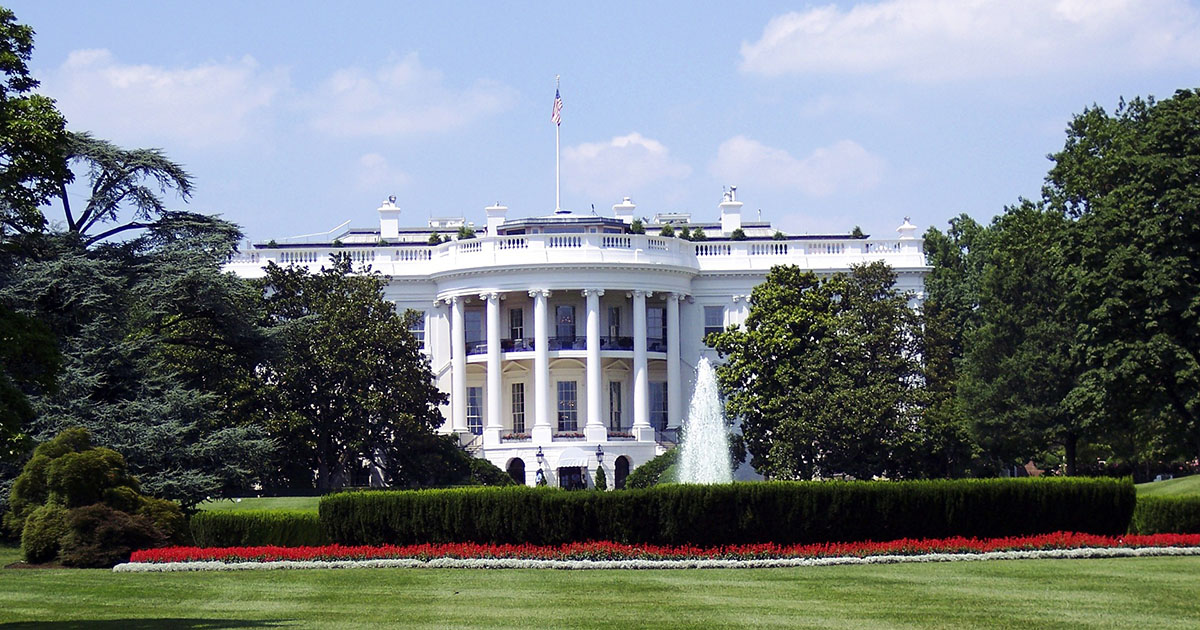
In a diplomatic move that underscores the importance of U.S.-Japan relations, Japan's Prime Minister Sanae Takaichi is set to become the first ally to visit the White House following President Trump's call for assistance in patrolling the Strait of Hormuz. This visit marks a critical juncture as tensions mount in the Middle East and the Trump administration seeks to rally international support to ensure safe passage through one of the world's most vital oil shipping lanes.
The meeting between Prime Minister Takaichi and President Trump is expected to focus on enhancing maritime security and deepening bilateral ties. As the Strait of Hormuz remains a flashpoint for potential conflict, Japan's involvement and possible contribution to a proposed multinational naval force could signal a significant shift in regional dynamics. Observers note that Takaichi's decision to engage in dialogue reflects Japan's strategic interest in maintaining stability, given that approximately 80% of its crude oil imports pass through the strait.
Prime Minister Takaichi's visit also presents an opportunity to discuss broader themes of economic cooperation and defense collaboration between the two nations. Japan's role as a key U.S. ally in the Asia-Pacific region, coupled with its economic prowess, offers a platform for negotiations that could potentially extend beyond maritime security. Analysts suggest that such discussions might delve into trade issues and technological collaborations, vital topics as both countries navigate complex global economic landscapes.
While the visit promises to strengthen the alliance, challenges remain. Domestic opposition within Japan regarding participation in foreign military endeavors poses a delicate balancing act for Takaichi. Moreover, with global attention fixed on the outcome of her diplomatic engagement, any commitments made during this historic visit are likely to carry substantial geopolitical implications. As both leaders prepare for their high-stakes meeting, the international community watches closely, anticipating the next steps in this evolving international partnership.