
Trump Embarks on Indefinite War, History Suggests Poor Outcomes for Presidents
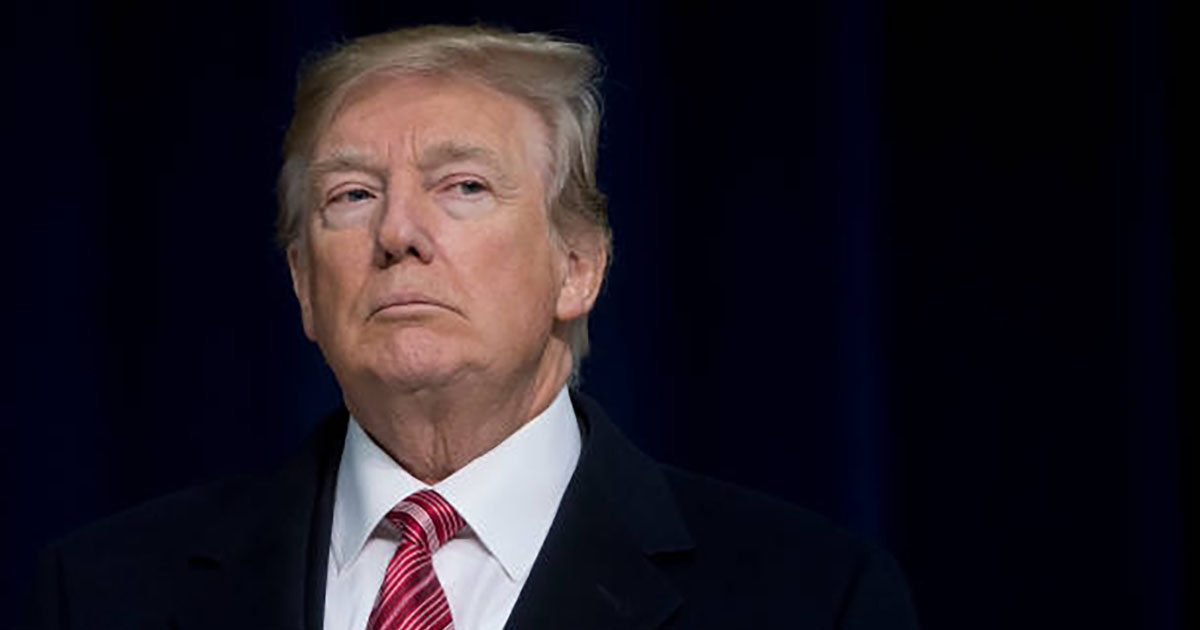
In a sweeping decision that has left both political analysts and citizens alike grappling for clarity, President Trump has initiated a conflict that bears no distinct closure on the horizon. This significant geopolitical move provokes an immediate examination of historical patterns, particularly those regarding presidential approval ratings during wartime. As U.S. engagement traditionally shadows with the uncertainties of military endeavors, the specter of waning public support looms large.
Agrim testimony to this trend is the precedent set by numerous former Presidents who found their approval ratings tethered to the fortunes of foreign engagements. Lyndon B. Johnson's popularity was tarnished through the Vietnam quagmire, and George W. Bush's ratings saw a notable decline as the initial support for the Iraq War dissipated into prolonged skepticism. These reflections underscore a narrative of dwindling domestic backing when conflicts abroad become mired without an apparent resolution.
The immediate impact of this latest conflict's announcement has been a noticeable shift in the political landscape. Media coverage, political discourse on Capitol Hill, and public opinion polls now pivot meticulously on an intricate balance of military strategy and diplomatic rhetoric. In the absence of a clearly defined outcome, speculation looms over how the current administration will navigate these turbulent waters, and whether it can maintain the fortitude of public and partisan support alike.
Business leaders and investors are also observing these developments closely, as the ramifications of conflict potentially echo through global markets. The unpredictability of war often precipitates volatility, impacting consumer confidence and international trade relations. Historical insights suggest market reactions are closely tied to public approval of such geopolitical strategies, which argues for the necessity of political acumen in maintaining economic stability.