
Extended Conflict with Iran Could Spell Trouble for Trump: A Historical Perspective
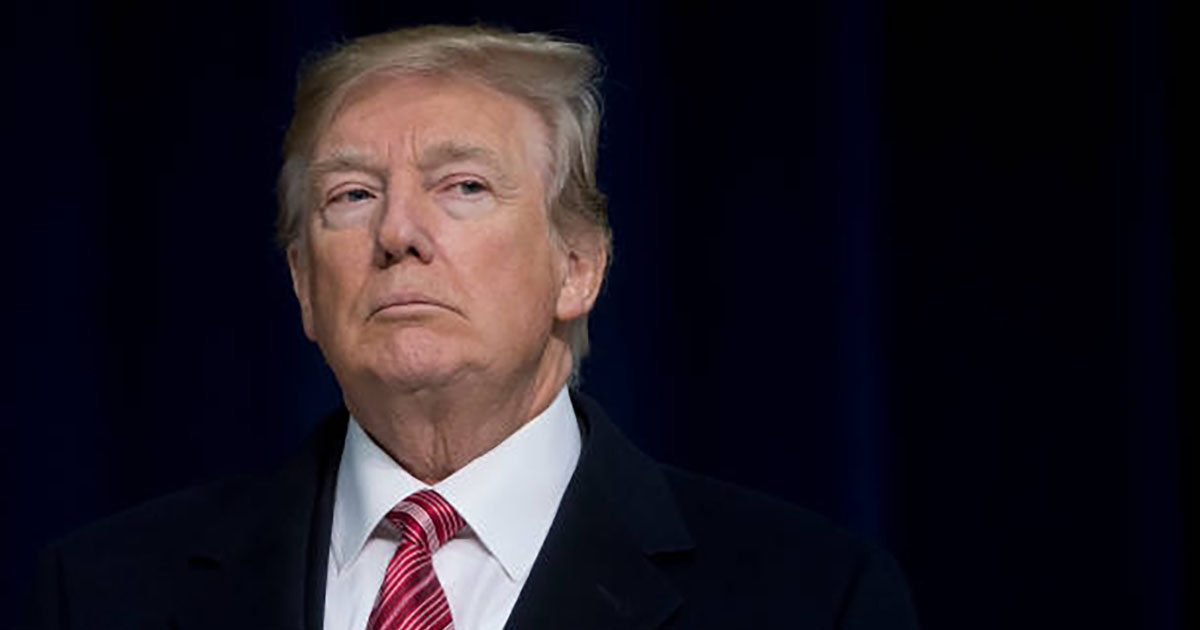
In a move echoing the complexities of past administrations, President Trump has launched a military campaign with unforeseen consequences, leaving both allies and adversaries questioning the ultimate objectives. Historical patterns suggest that prolonged conflicts can serve as a double-edged sword for sitting presidents, often sparking initial bursts of patriotism and unity that eventually wane into public discontent as realities on the ground overshadow initial triumphs.
The war’s lack of a clear, attainable end has fueled skepticism across party lines. Not unlike the experiences of his predecessors, who witnessed approval ratings slip amid drawn-out engagements, President Trump faces a challenging path in maintaining public support. The absence of definitive milestones risks frustrating an electorate increasingly wary of overseas entanglements.
Historically, such conflicts have posed substantial risks to political capital, with Vietnam haunting President Johnson and Iraq casting shadows over both Bush presidencies. These examples underscore the enduring lesson that protracted military engagements can deplete public goodwill, potentially handicapping broader domestic agendas.
As the war unfolds, President Trump must navigate a landscape fraught with diplomatic and military complications. His administration’s resolve will be tested, needing to justify strategic objectives to a skeptical public while managing international alliances. The nation watches closely, aware that the president’s future, much like his predecessors, is intertwined with the conflict’s trajectory.