
Florida Congresswoman Under Scrutiny: House Committee Probes Alleged Ethics Violations
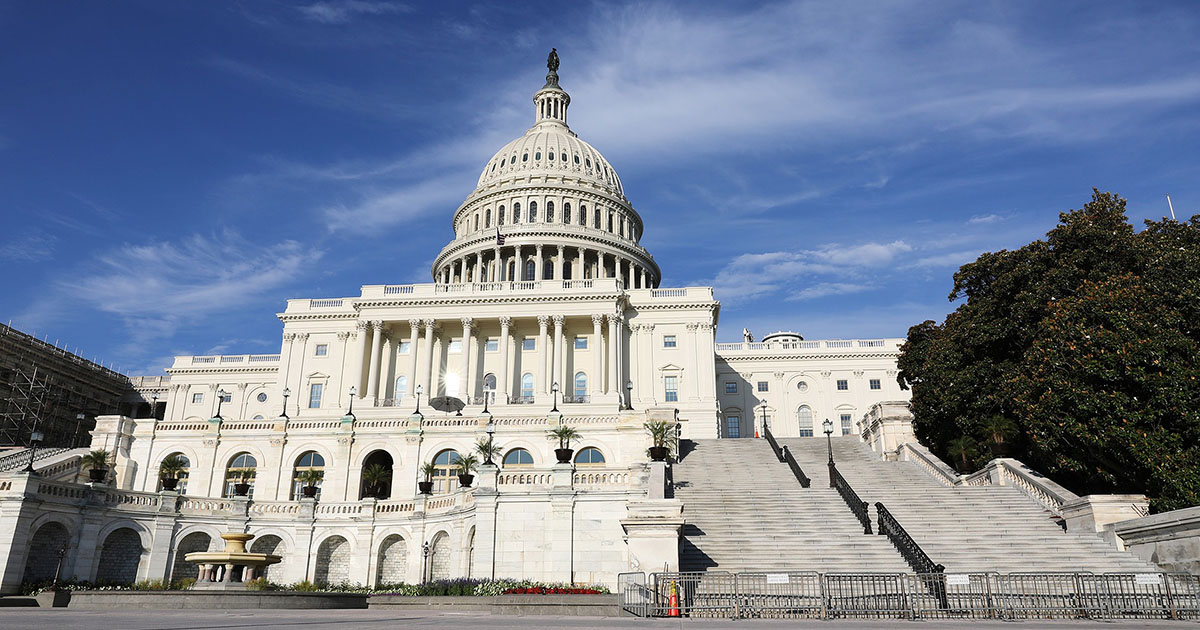
In an unusual move, the House Ethics Committee convened a public hearing to examine allegations against Rep. Shelia Cherfilus-McCormick, a Florida Democrat. This highly scrutinized event marks a pivotal moment as it transforms a typically confidential process into a transparent inquiry concerning the financial conduct of a sitting member of Congress. The allegations leveled against Rep. Cherfilus-McCormick involve purported financial improprieties that have been the subject of quiet speculation within political circles for several months.
The hearing showcased a rigorous interrogation of the representative's financial dealings, including but not limited to unreported sources of income and inappropriate financial disclosures. Political analysts view this development as part of a broader trend towards greater transparency and accountability within the legislative branch, reflecting growing public demand for scrutinizing the ethical conduct of their elected officials. It further demonstrates the increasing pressure on the Ethics Committee to maintain integrity and trust in the institution.
Rep. Cherfilus-McCormick has vigorously denied any wrongdoing, asserting that all her financial dealings were conducted in accordance with the law and within regulatory frameworks. Her legal team has been quick to position the allegations as politically motivated, designed to undermine her credibility and distract from her policy priorities. Despite this defense, the proceedings have cast a spotlight on the challenges of balancing political and legal dimensions in such high-profile cases.
Meanwhile, the public hearing has ignited debates in legislative and public spheres about the adequacy of current oversight mechanisms in Congress. Proponents of reform argue that increased transparency in committee proceedings can foster trust and deter misconduct at the highest levels. Critics, however, caution against potential overreach and the undermining of due process rights of elected officials. As the investigation unfolds, it's clear that its outcome could significantly influence future ethical oversight practices.