
High Court Overturns Colorado’s Prohibition on Conversion Therapy
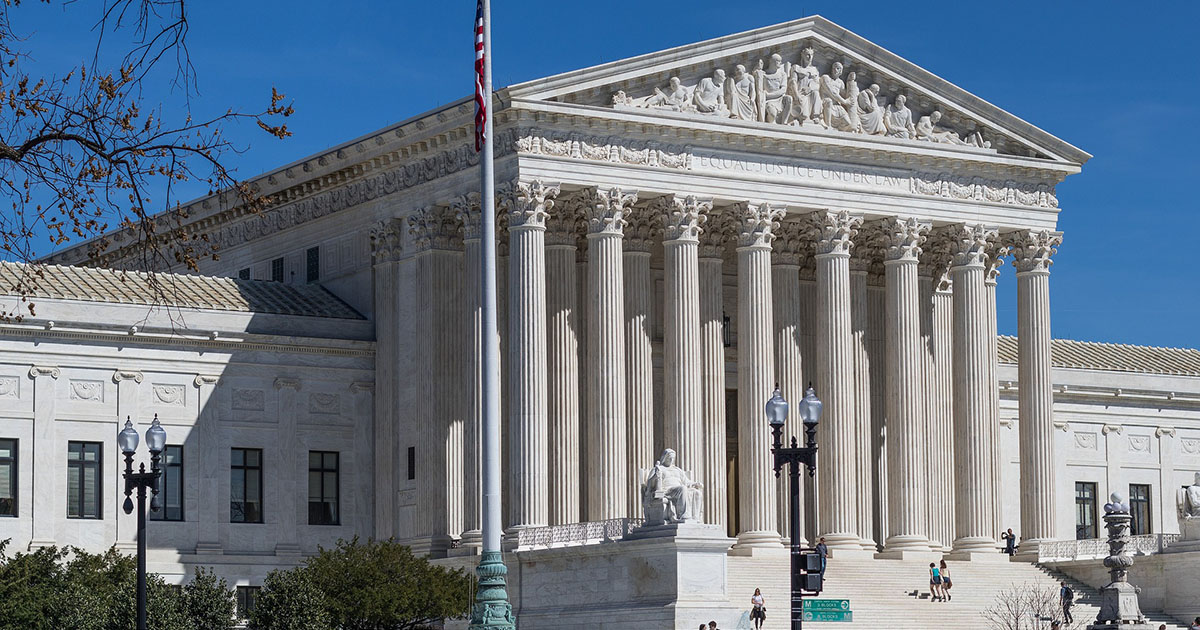
In a pivotal decision that could reverberate through the legal and cultural landscapes, the Supreme Court has struck down a Colorado law prohibiting conversion therapy. The court’s 6-3 ruling determined that the law unlawfully regulates speech based on viewpoint, a decision that has already sparked a national debate on the balance between free expression and public health.
The ruling represents a significant victory for those advocating for absolute free speech protections, arguing that the state's ban on conversion therapy encroached upon First Amendment rights. The court’s majority opinion found that the Colorado statute improperly restricted speech by targeting professionals who oppose homosexuality, hence regulating based on viewpoint. This decision shines a spotlight on the ongoing tension between free speech and governmental attempts to protect marginalized communities.
Proponents of conversion therapy bans, including LGBT advocacy groups, express concern that this decision could pave the way for similar laws to face challenges across the nation. They argue that such therapies, often considered psychologically harmful and discredited by major health organizations, should not be protected under the guise of free speech. The court’s ruling raises questions about the role of the state in safeguarding its citizens from practices deemed harmful, and whether such protection constitutes an infringement on free expression.
Conversely, those who supported the ruling lauded it as a necessary check on governmental overreach, emphasizing that the state has no place in dictating personal or professional beliefs. They argue that the court’s decision underscores the importance of protecting diverse viewpoints, even those considered controversial or unpopular. As the country navigates these complex issues, the ruling highlights the Supreme Court’s pivotal role in shaping the interaction between free speech and public policy.