
Trump Issues New Voting Executive Order; Experts Question Legal Authority
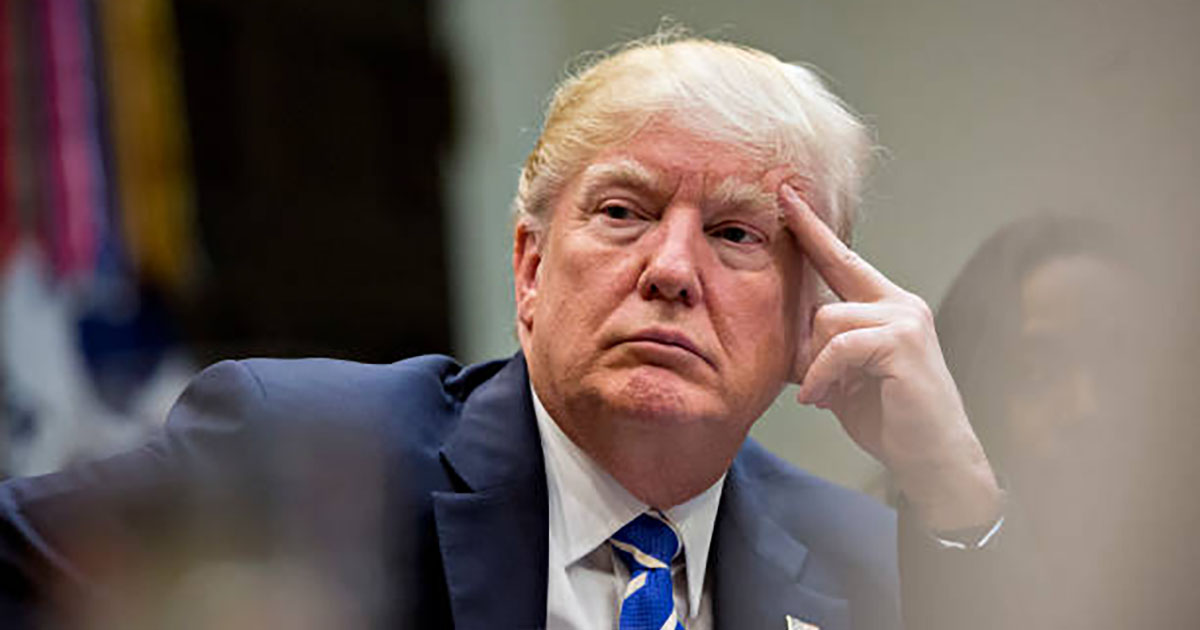
President Donald Trump, continuing his contentious stance on the U.S. electoral process, has signed an executive order aimed at halting the practice of voting by mail. This move marks the latest chapter in a series of efforts by the former president to assert influence over voting mechanisms ahead of future elections. The order underscores Trump's longstanding assertion that mail-in voting is fraught with fraud, despite a dearth of evidence supporting such claims.
Election law experts and scholars swiftly responded, emphasizing that the executive order is unlikely to withstand legal scrutiny. The U.S. Constitution grants the authority to administer elections to the states, limiting the federal government’s ability to unilaterally impose restrictions on voting practices such as mail-in ballots. These experts anticipate a slew of legal challenges, which could end up in the Supreme Court, should the federal courts find justiciable grounds.
Proponents of voting by mail argue that it is a necessary tool to ensure voter accessibility, especially in a nation as vast and diverse as the U.S. They cite the method's popularity during the 2020 election which saw record numbers of mail-in ballots due to the COVID-19 pandemic. Critics, however, have argued that the move introduces vulnerabilities into the electoral process, pointing specifically to logistical challenges, potential delays, and isolated instances of fraud as areas of concern.
The executive order adds another layer to the highly politicized debate over voting rights and election integrity. With half the states in the nation already having expansive mail-in voting systems largely validated by courts, the spotlight now turns to possible legislative responses and how state attorneys general might react. As the nation inches closer to the next round of elections, the balance and clash of powers between federal ambitions and state autonomy on voting issues are likely to intensify.