
Supreme Court Paves Way for Contentious Conversion Therapy Practices
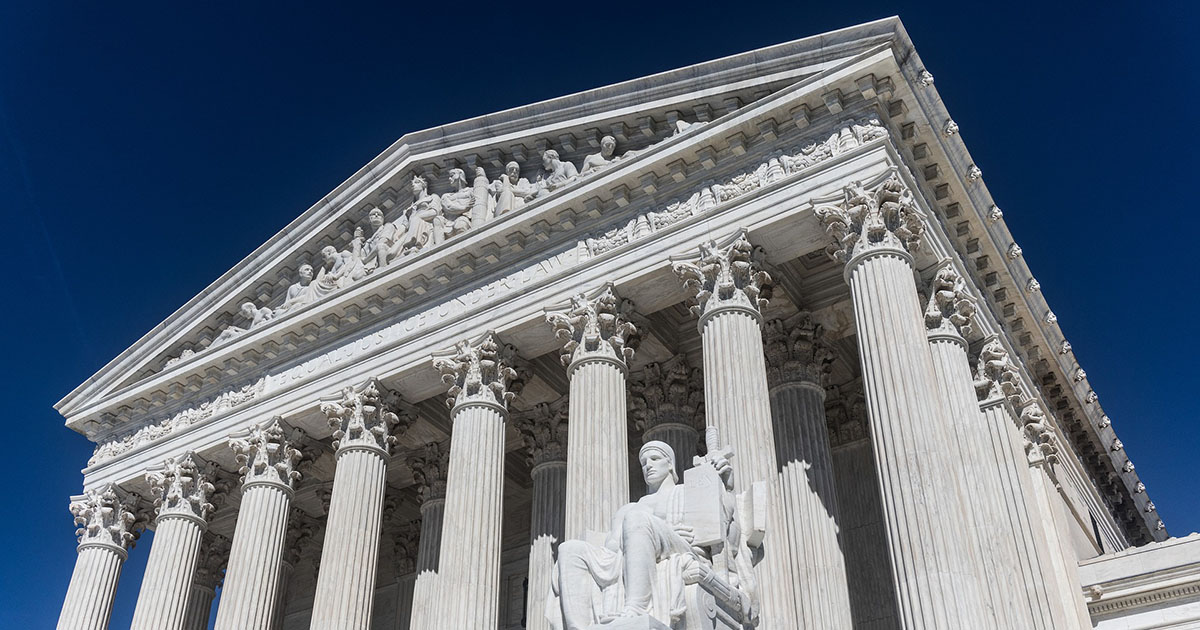
In a closely watched decision, the Supreme Court ruled on Tuesday that Colorado's law prohibiting conversion therapy constitutes a form of speech regulation based on viewpoint, a significant ruling with implications for similar legislation across the United States. By a narrow majority, the justices determined that the state's ban specifically targets the expressive content of conversion therapy practices, thus triggering heightened scrutiny under First Amendment protections.
This landmark decision comes amid a national debate over the limits of free speech and the state's role in protecting the rights of minors. Critics of conversion therapy, which aims to change an individual's sexual orientation or gender identity, argue that it is harmful and has been discredited by leading medical organizations. However, opponents of Colorado's statute contend that the law infringes upon therapists' freedom of expression and parents' rights to choose appropriate care for their children.
The ruling underscores the ongoing tension between states' interests in safeguarding vulnerable populations and the constitutional guarantee of expressive freedom. Colorado officials expressed disappointment, citing the state's strong commitment to safeguarding the mental health and well-being of its youth. Proponents of the law argue that the Supreme Court's decision could impede efforts to combat practices they consider harmful, even as other states watch to see how this ruling might influence their own legislative strategies.
Legal experts suggest that while the Court's decision may not immediately invalidate similar laws in other states, it does set a precedent that could invite further challenges. Advocacy groups on both sides of the issue are now bracing for the next phase of what is sure to be an ongoing legal and cultural battle. As the nation continues to grapple with where to draw the line between free speech and protective legislation, this ruling serves as a critical juncture in the broader conversation about rights, liberties, and the role of government in regulating professional practices.