
Supreme Court Paves Path for Dismissal of Bannon Contempt Case
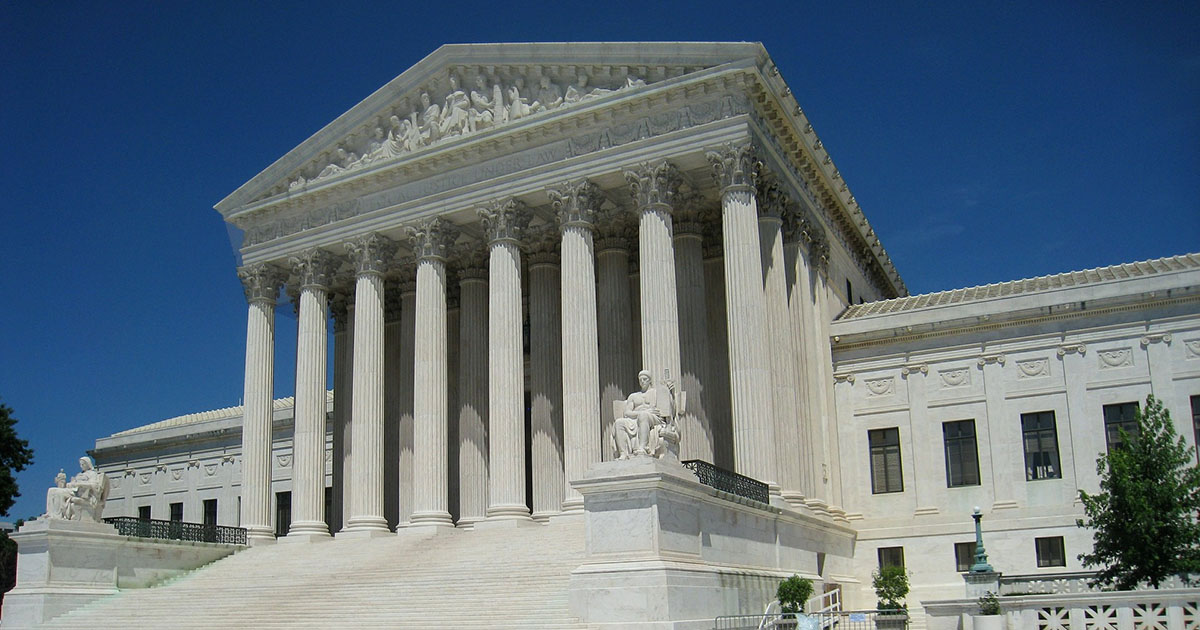
In a high-profile case intertwining politics and the judiciary, Stephen K. Bannon, a former top advisor to President Donald Trump, served a four-month stint behind bars. His incarceration came on the heels of a contentious legal battle stemming from defiance of a congressional subpoena issued by the House Select Committee probing the January 6 Capitol riot. Bannon’s steadfast refusal to comply with the legislative body’s request underscored his abrasive stance, sparking a wider debate about executive privilege and the reach of congressional oversight.
The House Select Committee, which was tasked with investigating the insurrection at the Capitol, viewed Bannon's testimony as crucial. He had been one of the earliest and fiercest opponents of the election results, and his connections to key figures involved in the riot made his insights potentially pivotal. However, Bannon's noncompliance, which he justified by asserting that his conversations were shielded by executive privilege, led Congress to hold him in contempt - a rare but increasingly utilized charge in the legislative branch's arsenal.
The legal proceedings that followed Bannon's defiance became a flashpoint, illustrating systemic tensions between the executive and legislative branches. As the case unfolded, it highlighted not just individual defiance, but the broader struggles of congressional committees to enforce subpoenas against political elites. The court's decision to incarcerate Bannon was seen by some as a victory for the rule of law, while others criticized it as a partisan maneuver in a deeply divided political landscape.
To Bannon's supporters, his imprisonment was framed as a political witch hunt; to his detractors, it was a long-awaited act of accountability. With his release, Bannon reemerged as a martyr figure to parts of the conservative base, emboldened, and ready to re-enter the political fray with more fervor. Nonetheless, the episode left an indelible mark on the ongoing discourse about the balance of power, accountability, and transparency in government operations.