
Trump Convenes Press Briefing Following Expletive-Laden Iran Comments
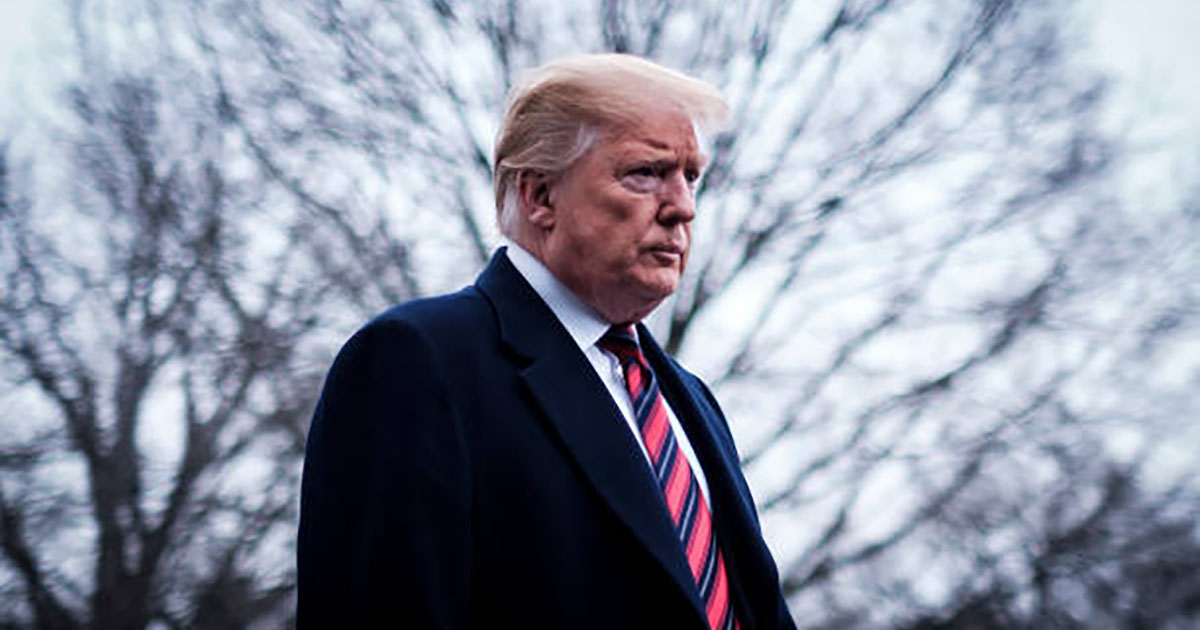
In a dynamic staging of international diplomacy, recent statements from the U.S. President have left both allies and analysts sifting through an array of mixed signals regarding the resolution of the U.S.-Israel-led conflict with Iran. With one hand reaching toward peace and the other grappling with realpolitik, the President faces the ticklish task of clarifying American foreign policy in a region already fraught with complexity. As events unfold with high stakes for both global stability and economic fortitude, the White House's messaging appears to vacillate between sound diplomacy and steely resolve.
The President's latest comments have oscillated between suggesting a rapid de-escalation of hostilities and affirming a robust military stance. These mixed messages have exacerbated the tension within the international community, leaving world leaders speculating on America's strategic intentions. Allies in Europe, while aligning with shared security interests, express unease at the lack of a coherent endgame narrative amid the growing conflict. The uncertainty is felt in financial markets as well, where investors are gauging implications for oil prices and regional trade flows.
Despite these ambiguities, some policymakers advocate for a hardline approach, emphasizing the necessity for decisive action against Iran, citing longstanding issues of regional instability. Meanwhile, the President faces mounting pressure from a segment of domestic constituents urging a swifter peace process. Analysts suggest this dual narrative reflects a broader tension within the administration, torn between projecting power and pursuing diplomatic avenues—both elements critical in shaping the U.S.'s engagement with Iran.
As the war enters a critical phase, the onus falls on the administration to articulate a clearer strategic framework to both domestic audiences and international partners. The lingering question remains: how will the President balance these mixed messages to establish cohesive foreign policy goals that safeguard global security without further inflaming tensions? The stakes are significant, as the outcome of U.S. actions in the Middle East could ripple across geostrategic landscapes for years to come.