
U.S. and Iran Broker Temporary Truce with Two-Week Ceasefire Agreement
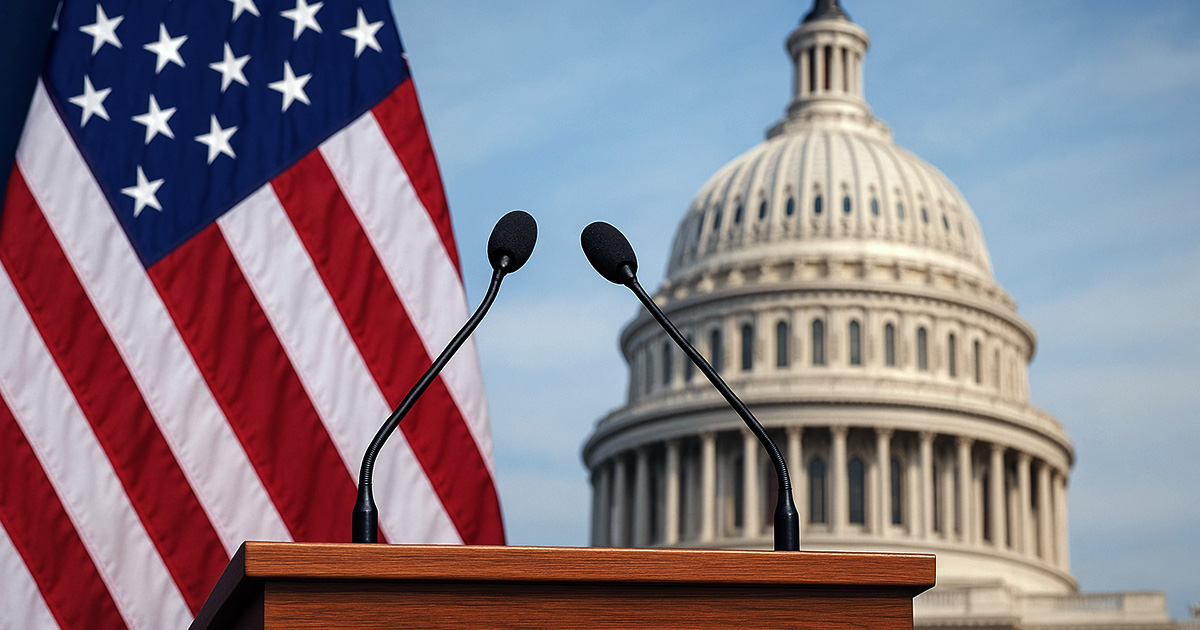
President Donald Trump announced on Tuesday that the United States and Israel have agreed to halt military strikes on Iran for a period of two weeks. This temporary ceasefire is contingent on Iran upholding its promise to reopen the critical Strait of Hormuz, ensuring the safe passage of international vessels. The agreement comes amid rising tensions and fears of an escalation in the region, which could severely impact global oil markets.
In a televised address, President Trump emphasized the significance of the Strait of Hormuz, a vital chokepoint through which nearly a fifth of the world's oil passes. "Iran's commitment to reopening the strait marks a step towards de-escalation and maintaining stability in the region," he stated. "We remain hopeful that this agreement will be honored, allowing diplomatic efforts to take precedence over military actions."
Israeli Prime Minister Benjamin Netanyahu echoed President Trump's remarks, highlighting the importance of diplomacy in resolving longstanding disputes with Iran. "Our cooperation with the United States reflects a joint commitment to seeking peaceful solutions while safeguarding regional security," Netanyahu said. The two-week pause in military operations is seen as a window of opportunity for further negotiations.
Oil traders responded cautiously to the news, with initial signs of easing in market volatility. Nevertheless, analysts remain wary of the fragile nature of this truce, noting that any deviation by Iran from its commitment could trigger a swift resumption of military actions by the U.S. and Israel. As the situation unfolds, the global community watches closely, hoping for a resolution that avoids further conflict.