
House Approves Bill to Extend Protections for Haitian Migrants
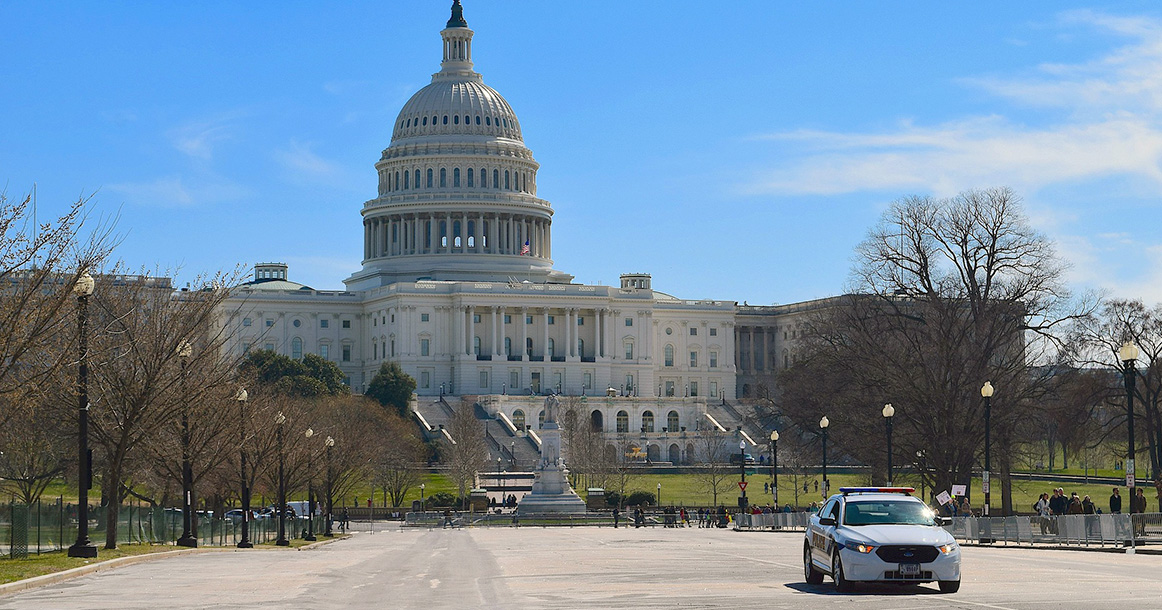
In a striking display of bipartisan defiance, ten Republican lawmakers joined their Democratic colleagues in the House to pass a resolution aimed at overturning the Trump administration's controversial immigration policies. This unusual coalition underscores a growing rift within the GOP, as moderate Republicans voice increasing dissatisfaction with President Trump's hardline approach, particularly concerning the treatment of migrants at the southern border. The resolution, which condemns the administration's methods and calls for a more humane immigration system, marks a significant legislative pushback from within the president's own party.
The passage of the measure in the House places the spotlight squarely on the Senate, where its fate hangs precariously in the balance. For the resolution to advance, it would need the support of a significant number of Republican senators, who are traditionally reticent to defy the president on high-profile issues. Nonetheless, the move in the House has put pressure on Senate Majority Leader Mitch McConnell to consider the proposal seriously, especially as public opinion polls indicate growing unease among voters about the administration's handling of immigration.
However, even if the resolution finds success in the Senate, it faces an almost certain veto from President Trump. The White House was quick to reaffirm its commitment to the current immigration policies, with officials indicating the president's determination to thwart any legislative attempts to undermine his agenda. The administration argues that the policies in question are vital for national security and border control, framing the House resolution as a politically motivated distraction amid Trump’s broader agenda.
The prospect of a presidential veto brings into sharp focus the strategic calculations facing lawmakers. Overriding such a veto would require a two-thirds majority in both chambers, an uphill battle given the current political dynamics. Yet, the potential for an override vote serves to galvanize the ongoing debate on immigration, drawing attention to the policy’s implications and the legislative branch's role in shaping the nation's approach to this critical issue.