
White House Pursues Unprecedented Defense Budget as Congressional Scrutiny Intensifies
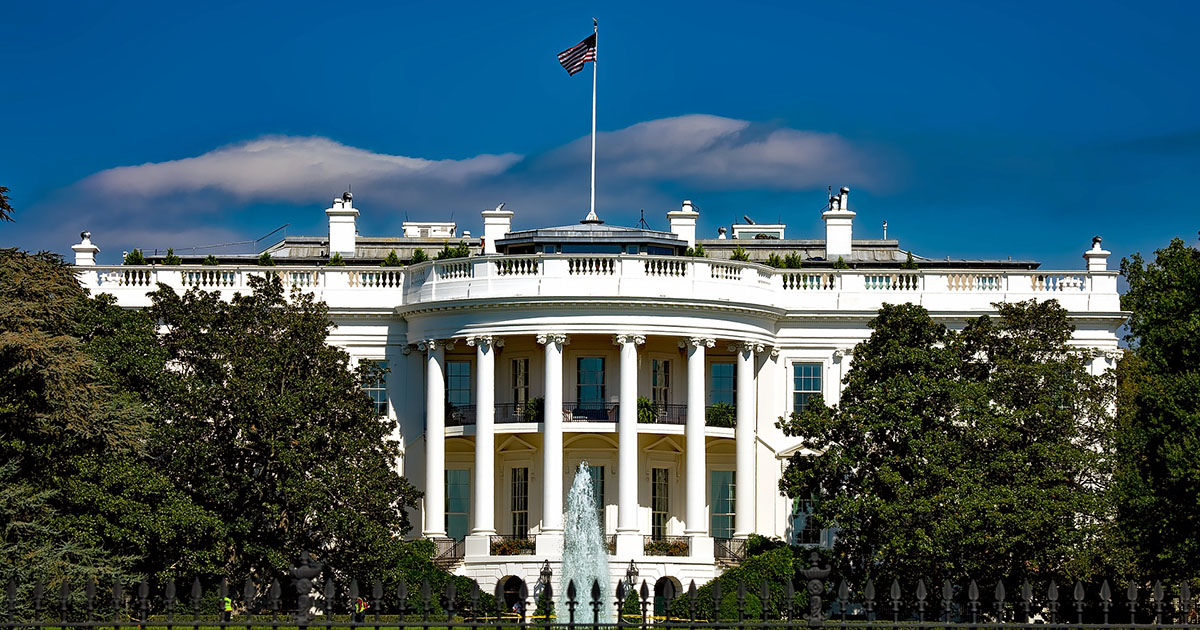
In an ambitious fiscal move, the White House is requesting a substantial $1.5 trillion from Congress aimed at bolstering the Pentagon's budget. This sizable financial ask underscores the administration's prioritization of defense spending amidst growing international tensions. While details remain scant, this injection of funds is anticipated to further enhance various defense capacities and strategies, parts of which will likely address emergent global security challenges.
The request comes on the heels of heightened geopolitical maneuvers and evolving threats, raising questions and discussions on Capitol Hill about the appropriate allocation and oversight of such a large sum. Lawmakers have expressed a growing desire for transparency, urging the administration to provide comprehensive breakdowns illustrating how this funding would be appropriated across different military and technological initiatives. Such clarity is deemed crucial by Congress to ensure accountability and strategic efficacy.
Simultaneously, the White House is said to prepare a separate ask dedicated to the ongoing conflict with Iran. The specifics of this request, however, remain closely guarded, fueling further intrigue in the corridors of power. The bifurcation of financial requests suggests a compartmentalized approach to addressing distinct military challenges, though it also raises potential concerns about resource management and priority setting in uncertain times.
This dual-track financial strategy is poised to spark significant debate among lawmakers, analysts, and defense officials, each with their respective stakes in the game. Whether Congress will accede to the amount or seek revisions as part of its oversight role remains an ongoing narrative as deliberations unfold. As these complexities evolve, the focus remains sharply on transparency measures that would assure both policymakers and the public of judicious defense spending aligned with broader national security objectives.