
Trump Criticizes Court Ruling That Delays White House Ballroom Project Yet Again
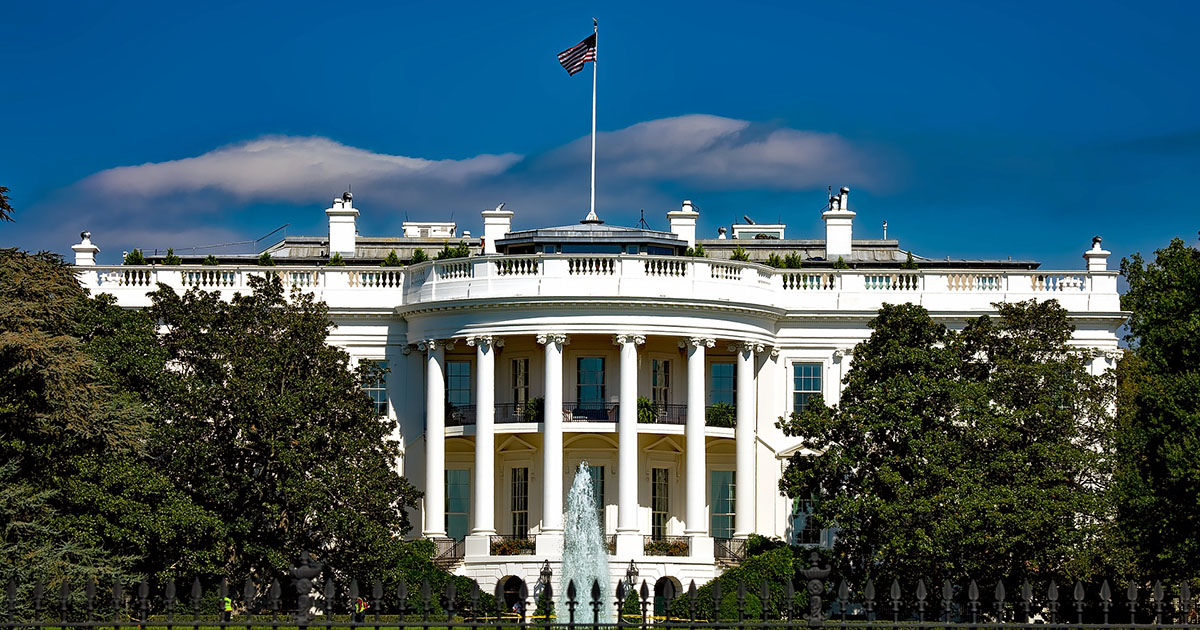
The longstanding battle over the proposed $400 million White House ballroom took another twist as a federal judge issued a decision continuing to block any above-ground construction on the project. While the aspirations for an expansive new ballroom have been stalled, the ruling permits ongoing subterranean development. This includes the construction of a state-of-the-art bunker and various other facilities deemed critical to national security.
Advocates for the ballroom have argued that a new venue is essential for hosting diplomatic events, enhancing the sophistication and capacity of America's executive residence. However, opponents have raised concerns over fiscal prudence and historic preservation, pointing to the ceremonial space's heavy price tag and questioning the necessity of such an opulent addition to the White House grounds. The judge's decision underscores the balancing act between fostering presidential grandeur and maintaining fiscal responsibility.
Meanwhile, work on the underground complex is proceeding apace. These facilities, while out of sight, are expected to bring substantial upgrades to the secure capabilities of the White House. Details of the bunker and its accompanying structures remain shrouded in secrecy, with officials citing national security concerns as the reason for the opacity. The development has drawn a tightrope of interest among policymakers who weigh the importance of discretion in security matters against the public's right to transparency and information.
With above-ground construction efforts blocked indefinitely, stakeholders remain in trenchant positions on both sides of the issue. As negotiations stall, the question of how best to balance modern needs with enduring traditions at the White House remains unresolved. For now, the debate endures, with the only certainty being the unwavering progress of below-ground improvements beneath one of the most scrutinized plots of land in the United States.