
GOP Insists $1 Billion Budget Earmarked for White House Security, Not Trump’s Ballroom
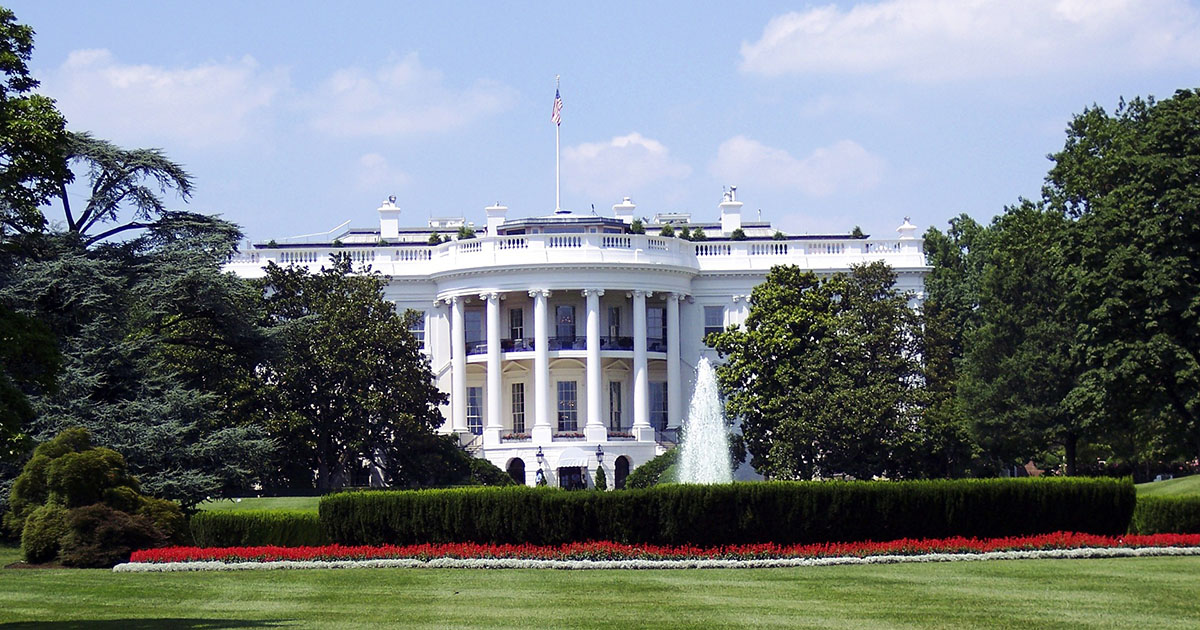
In the latest skirmish over federal spending, Republicans have proposed allocating $1 billion for an overhaul of White House security infrastructure. This move comes amid escalating concerns over the adequacy of current systems in the face of rising global security threats and domestic challenges. Party representatives are adamant that the funds are to be channeled exclusively towards updates and improvements that ensure the safety and integrity of the presidential residence, rather than cosmetic or non-essential additions.
Republicans emphasize that this proposal is firmly rooted in addressing critical security needs. The suggested improvements range from state-of-the-art surveillance technologies to the fortification of physical barriers and upgraded communication systems. While the initiative has sparked debate, proponents within the party contend that enhancing security at the nation’s executive mansion is imperative and transcends typical partisan politics.
However, skepticism looms over the plan, particularly in light of President Trump's earlier contentious expressions of interest in lavish renovations, including a ballroom addition that drew the ire of fiscal watchdogs. Republican leaders have been quick to distinguish the proposed security upgrades from any previous projects perceived as extravagant. "It's about necessity, not luxury," stated one senior party official, underscoring a commitment to ensuring taxpayer funds are utilized with transparency and accountability.
Democrats, while not universally opposed to enhancing security, have voiced concerns about the specifics of the allocation and the speed at which the changes are being pushed. They have called for detailed oversight and clarity on how the proposed upgrades will be implemented. This friction sets the stage for further negotiations, highlighting the broader, ongoing debate about federal budget priorities amidst a politically charged environment.