
New Poll Shows Widespread Bipartisan Backing for Age Limits in Congress
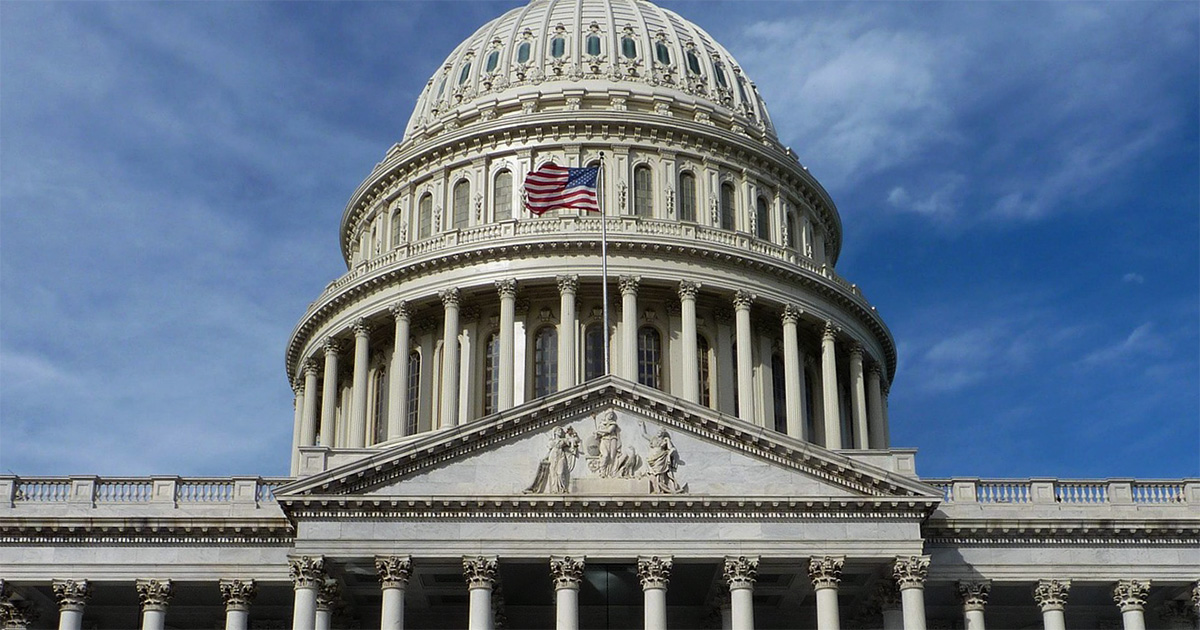
In a telling reflection of the growing desire for change in Washington, a substantial portion of the American populace is advocating for the introduction of age caps and term limits for members of Congress. The recent NPR/PBS News/Marist poll reveals that an overwhelming 8 in 10 Americans support the implementation of these legislative adjustments. The findings underscore a significant call for reform in an aging political class.
As the nation's lawmakers increasingly become a graver focal point of generational debate, concerns about efficacy and representation have found a resounding voice among the electorate. The public’s waning confidence in career politicians is mirrored by this latest survey, which reflects a widespread sentiment that fresh perspectives are crucial to the function of government. With the average age of Congress exceeding sixty, the clamor for youthful dynamism and a rotation in office becomes more compelling.
This push for age limits is gaining traction against a backdrop of high-stakes political gridlock and mounting public discontent. Many voters feel that the prolonged tenure of legislators can lead to entrenched viewpoints and an inability to adapt to the shifting priorities of constituents. Younger, more diverse leadership is seen by many as a catalyst for progress, potentially bridging partisan rifts and fostering innovation in tackling the nation’s challenges.
The desire for Congressional term limits is not a novelty, yet the poll suggests an amplified urgency and potential consensus across party lines. As conversations around electoral reforms intensify, the political establishment faces growing pressure to heed the call for structural change. Whether this polling translates into actionable policy rests on the forthcoming electoral cycles and the advocacy strength of reform-minded constituencies.
As American democracy stands at a crossroads, the sentiment echoing from this survey signals a critical juncture in governance. The path forward may demand a recalibration of institutional frameworks, balancing institutional wisdom with fresh input to address both contemporary challenges and the public's appetite for change. The pulse of the nation, as captured in this poll, is clear: reform is not just desired but, increasingly, deemed necessary.