
Supreme Court Deliberates on Telehealth Access for Abortion Pill Following Completion of Legal Briefs
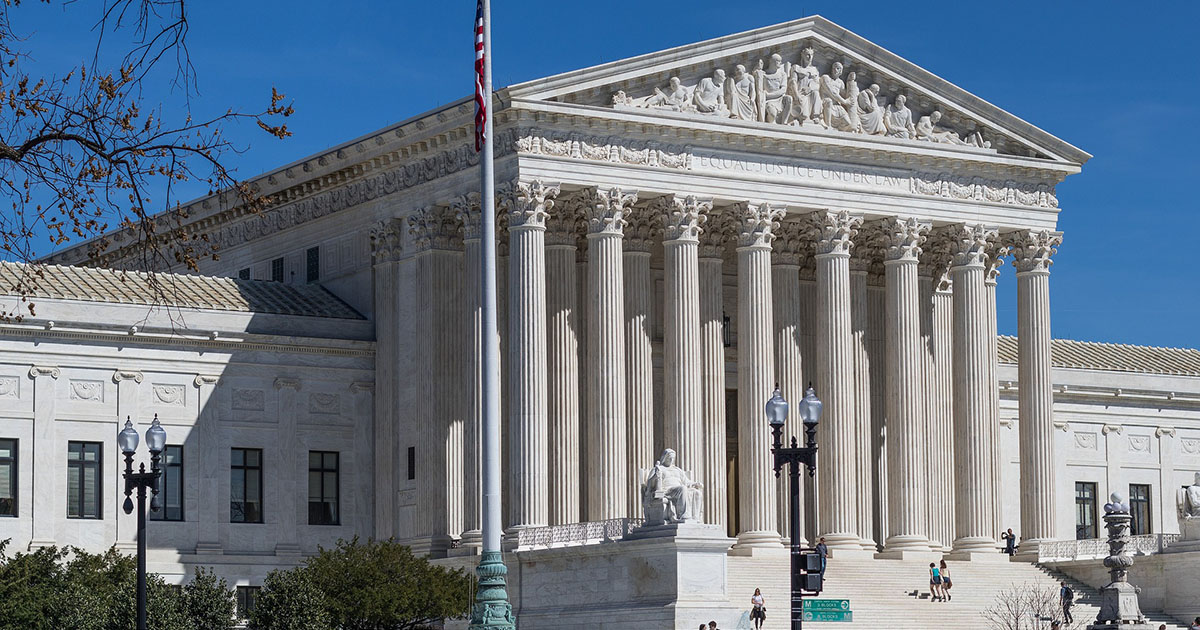
In a decisive intervention, the Supreme Court has stepped into the contentious debate over telemedicine access to mifepristone, a primary drug used in conjunction with another medication for abortion procedures. The move follows a recent decision by an appeals court aiming to curb the use of telemedicine for prescribing mifepristone, thereby creating a significant access barrier for women seeking medication abortions across the country. The case has riveted national attention, marking another pivotal moment in the ongoing legal battles over reproductive rights in the United States.
At the heart of this legal confrontation is the role of telehealth services, which have seen exponential growth, especially during the pandemic, as a means to expand access to healthcare services, including reproductive health. Proponents argue that mifepristone, approved by the FDA for over two decades and used safely by millions, is being unjustly restricted, particularly impacting those in rural or marginalized communities. Opponents, on the other hand, raise concerns about the safety and oversight of medication abortions conducted remotely.
The Supreme Court's intervention signals a new chapter in what has become a major legal thicket. Legal experts suggest this could be a significant litmus test for the high court's approach toward reproductive rights and access to healthcare technologies. As the legal pendulum swings, both advocates and opponents of abortion rights watch closely, with ramifications that extend beyond the fate of mifepristone itself.
Looking ahead, stakeholders from medical, legal, and political spheres will likely continue to engage in an intense tug-of-war over the broader implications of telemedical prescriptions for abortion medications. With the Supreme Court now holding the gavel, the nation's attention turns toward possible judicial outcomes that could redefine the landscape of reproductive health services, setting precedents that might last for generations.