
Washington's High-Stakes Mayoral Primary Draws Voters to the Polls
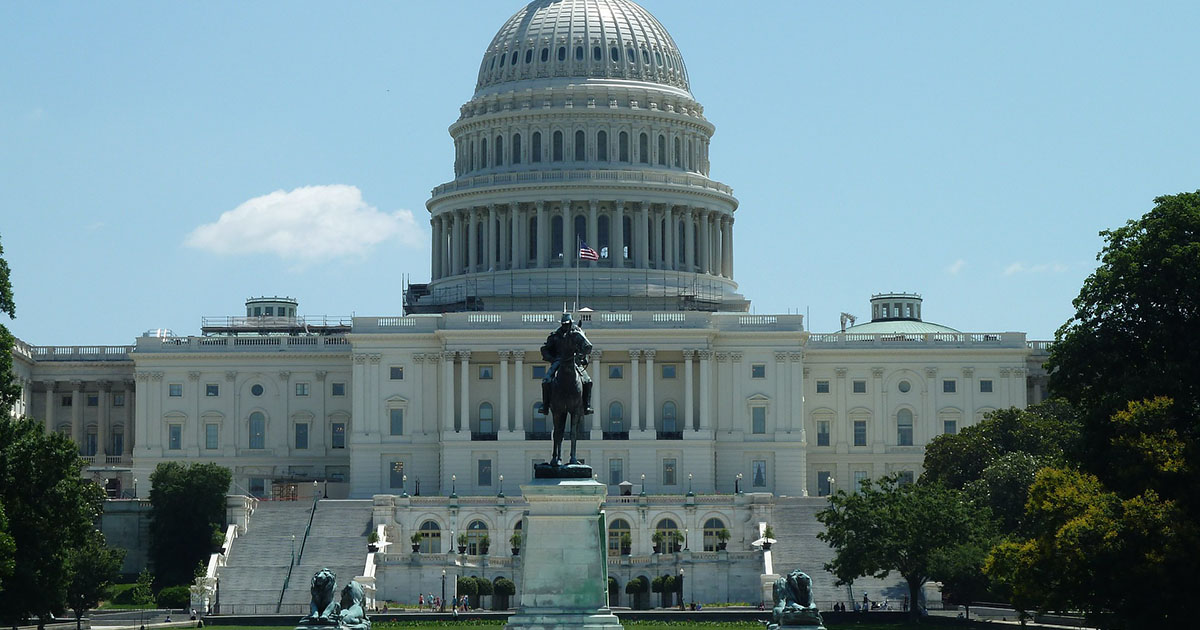
As the sun rises over the nation’s capital, voters in Washington D.C. are heading to the polls on Tuesday for a critical mayoral primary that could shape the future of the city. The contest has drawn considerable attention, as the winner of this Democratic stronghold is likely to be favored in the general election come November. This election will not only set the stage for the upcoming political landscape within the city but will also determine how the next leader will navigate the intricacies of federal oversight under President Trump’s keen focus on the district’s administration.
The primary has transformed into a high-stakes showdown with multiple candidates jostling for the top position. Key issues such as crime rates, housing affordability, and public transportation have dominated the campaign trail, with candidates presenting varied strategies to tackle these challenges. As the candidates vie for voter support, assuring residents of their ability to effectively collaborate or stand against federal directives has emerged as a distinctive campaign theme.
President Trump’s administration has frequently scrutinized D.C.’s governance, bringing additional challenges for whoever assumes the mayoral office. A victory in this primary, therefore, not only demands robust campaign efforts but also requires preparing for potential federal-local tensions. The city's future approaches to federal oversight, especially in areas like funding and public policy, hinge significantly on the outcomes of this race.
While the primary is pivotal for locals, the ripple effect of its outcome might extend beyond the district’s borders, potentially influencing how urban governance is approached in other large Democratic cities under a Republican administration. As the primaries proceed, eyes from across the nation will be watching closely, eager to see who emerges victorious in this tightly contested race.