
Trump Sketches Framework for Tentative Iran Accord
The ongoing U.S.-Israel-led military conflict in Iran has sent shockwaves through the global economy, further straining an already volatile international financial system. Key commodity prices have soared to unprecedented levels, with crude oil breaching the $100 per barrel mark, fueling inflationary pressures worldwide. Markets are grappling with heightened uncertainty, as investors flee to safe-haven assets, exacerbating fluctuations in currency exchanges and destabilizing emerging economies.
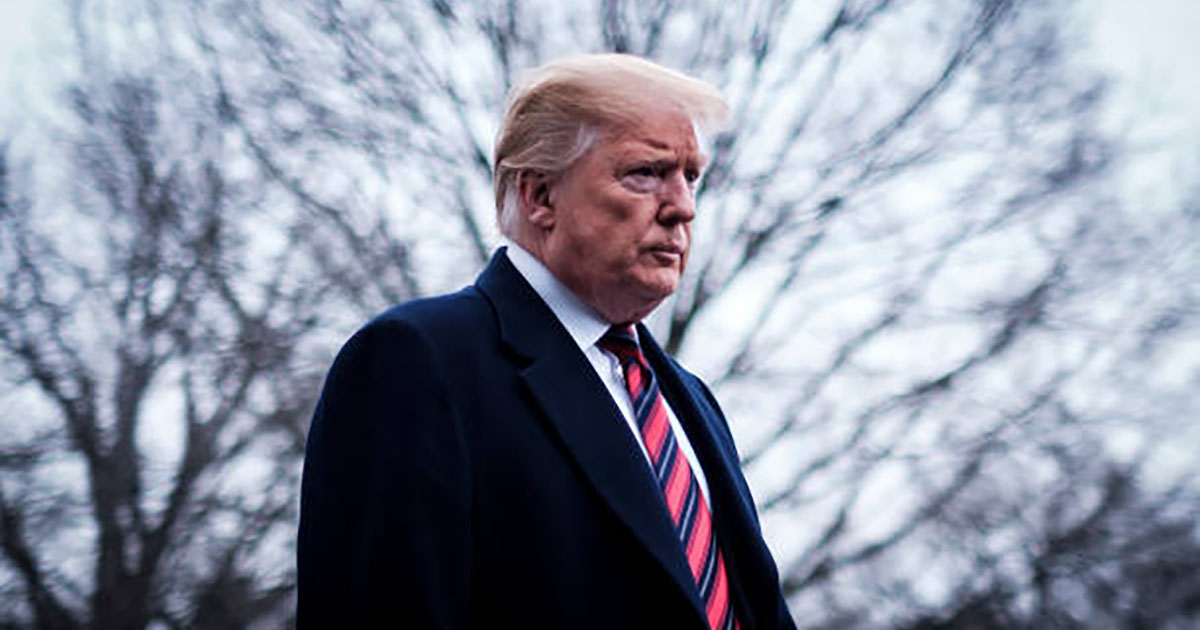
The war's impact on domestic politics in the United States has been no less seismic. President Donald Trump, who was trailing in approval ratings even before the conflict intensified, faces increasing criticism from both political opponents and allies. Public opinion is split, with significant portions of the population questioning the motives and strategies behind the administration's aggressive stance. The war has reignited a fervent debate over America's role on the world stage, complicating bilateral relations and fomenting fresh divisions in Congress.
Amidst soaring defense spending, the U.S. fiscal deficit is predicted to burgeon further, presenting an array of looming challenges for policymakers. Economic analysts warn that continued hostilities could jeopardize recovery prospects from the lingering effects of the pandemic, constraining economic growth and stalling job creation. Pressure mounts on the Federal Reserve to adopt more flexible approaches to monetary policy to mitigate potential downturns that have resulted from the geopolitical turmoil.
Across the globe, countries are grappling with the ripple effects of the escalating conflict. European leaders are rallying to craft a coherent response, wary of the potential influx of refugees and broader security implications. Meanwhile, Asian economies, heavily reliant on Middle Eastern energy supplies, are scrambling to adjust to supply chain disruptions. The confrontation in Iran underscores the interconnectedness of geopolitical actions and economic consequences, challenging global power dynamics and realigning international alliances.