
Trump Postpones Intel Chief Confirmation to Gain Leverage on Voting Legislation
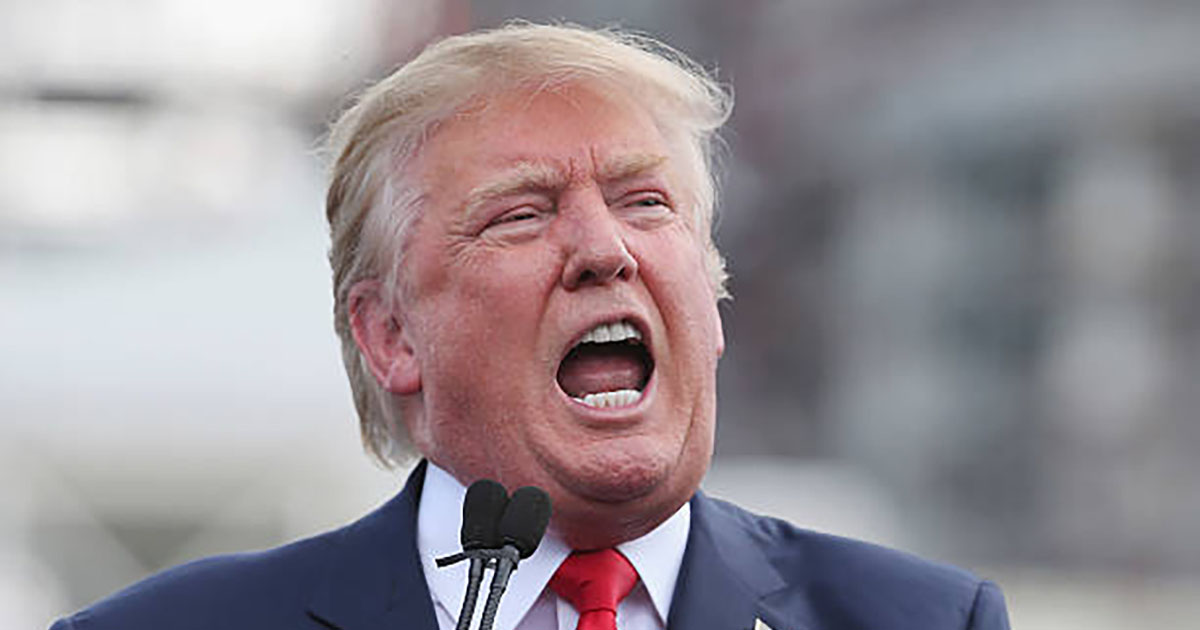
President Trump has once more set the stage for a contentious political battle, leaving Senate Republicans to navigate a maelstrom of controversy. The latest disruption arises from his nomination of a new director of national intelligence, a move that has fractured the ranks of the GOP and posed significant challenges ahead of their re-election bids. With strategic stakes high, Republican senators find themselves caught between loyalty to the President and the pressing concerns from their constituents.
Senate Republicans are walking a fine line as they deliberate over President Trump's nominee, weighing the potential fallout of confirmation against the repercussions of rejection. The President's chosen candidate, viewed by some within the party as lacking the necessary experience for such a critical position, has stirred unease. This division has further complicated the GOP's strategy as they aim to maintain both Senate control and party cohesion.
The nomination has also forced Republicans to consider the broader implications for national security, as they seek to reassure both allies and the electorate of their commitment to safeguarding the nation's intelligence operations. Trump, undeterred by the growing dissent, remains steadfast in his choice, challenging his party to align with his vision or risk alienating his staunch supporter base. This push-and-pull exemplifies the ongoing struggle within the GOP to reconcile Trump's unpredictable leadership style with their governing objectives.
As the Senate prepares to take up the nomination, all eyes will be on key Republican senators, whose votes may ultimately tip the scales. The outcome could serve as a litmus test for the party's unity under Trump's polarizing influence—highlighting the enduring impact of his presidency on the Republican Party's internal dynamics and policy priorities.