
Trump Administration Unveils Initial Accord with Iran
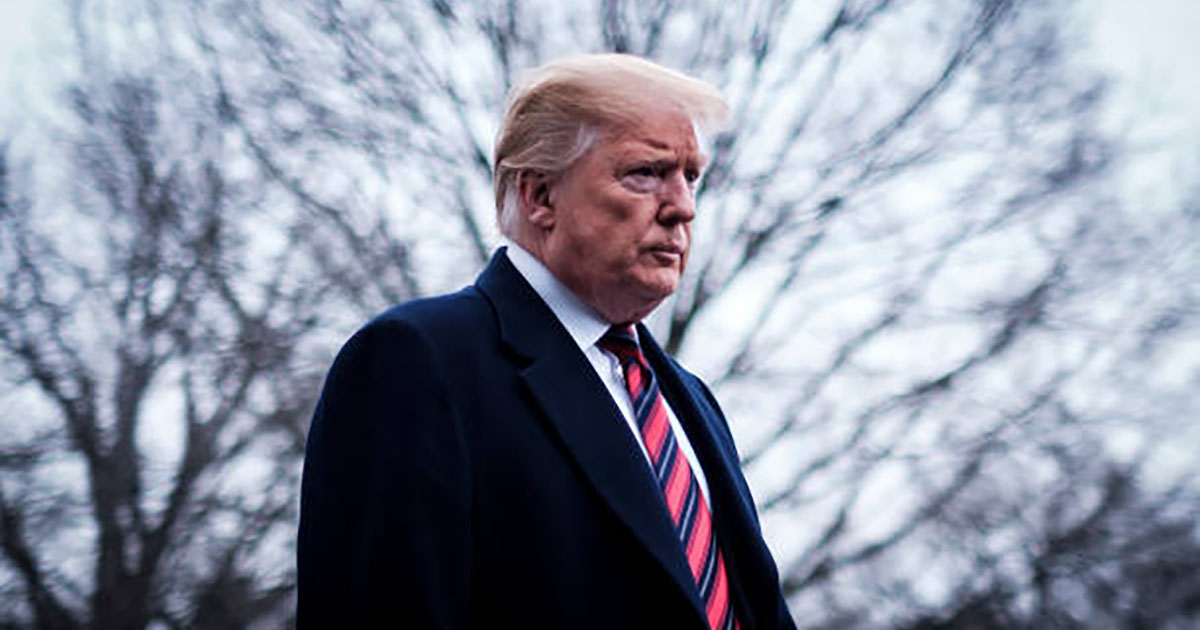
On a historic Wednesday morning at the G7 summit, the Trump administration unveiled details of a groundbreaking preliminary agreement aimed at ending hostilities with Iran. President Trump, amid an audience of international leaders and global press, addressed the pact, signaling a potential pivot in U.S.-Iranian relations. This announcement comes after months of tense negotiations, underscoring the administration's diplomatic strategy of blending stringent sanctions with high-level dialogues.
The agreement, as delineated by the President, unveils a phased de-escalation of military activities by both Washington and Tehran. Central to this pact appears to be significant economic incentives for Iran, conditional upon their commitment to scaling back on nuclear advancements and withdrawing strategic support from regional proxy conflicts. 'We believe this path forward can usher in a new era of peace and cooperation,' Trump stated, emphasizing the administration's dedication to securing an enduring resolution.
While President Trump lauded the accord as a triumph of diplomacy, reactions among the G7 leaders were mixed, highlighting underlying tensions. European allies, who have staunchly supported diplomatic engagement and the preservation of the Joint Comprehensive Plan of Action (JCPOA), expressed cautious optimism. Nevertheless, skeptics point out the complexities inherent in implementing and verifying such an accord, particularly in the wake of past hostilities and mutual distrust.
International markets responded favorably to the announcement, with oil prices showing a modest dip, reflecting optimism towards stability in a key geopolitical region. Wall Street also exhibited a bullish trend, as investors speculated on the possible easing of global tensions. As the fine print of this tentative agreement continues to unfold, stakeholders are keenly observing how this development might reshape not only bilateral but also global geopolitical dynamics.