
Ex-Trump Security Chief Bolton Admits Guilt in Classified Documents Case
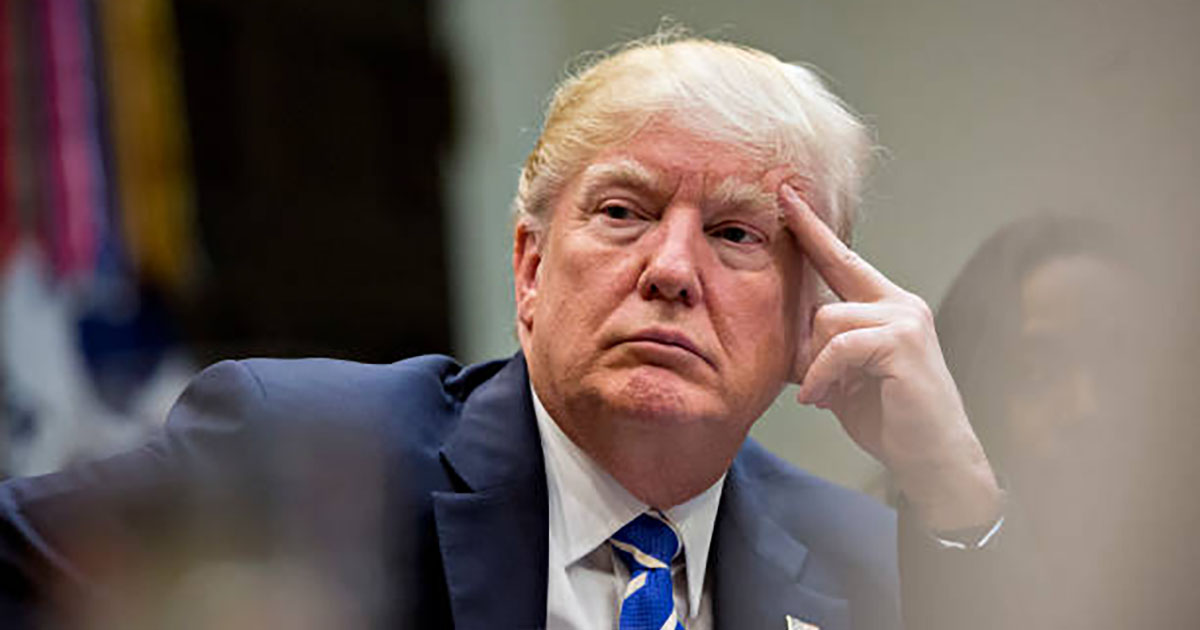
In a surprising turn of events, John Bolton, the former National Security Adviser during the Trump administration, has admitted to a charge of unlawfully retaining national defense documents. The admission represents a dramatic chapter in an already explosive career, raising questions about the handling of sensitive information at the highest levels of government. Bolton's plea, marked by an uncharacteristic expression of remorse, underscores the broader national conversation on security, accountability, and governance.
Bolton, known for his hawkish views and unyielding stance on international affairs, faced the charge related to a lapse in his time under President Trump's leadership. The proceedings bring into sharp focus the delicate balance between safeguarding national secrets and the contentious environment of Washington politics. His statement, "And I am sorry for it," marks a rare moment of contrition from a figure often seen as unapologetically strident in his public positions.
This development could have far-reaching implications for future administrations and national security protocols. Observers note that Bolton's case might ignite renewed scrutiny on the protocols surrounding classified information, potentially prompting legislative or executive readjustments. While the judicial outcome for Bolton remains to be fully seen, the plea sets a precedent that could shift the landscape of accountability within the upper echelons of government.
For political pundits and the public alike, Bolton's case will likely become a point of reference in the ongoing debate about transparency and responsibility in national security matters. As the narrative unfolds, the focus will undoubtedly turn to the institutional protections needed to prevent potential vulnerabilities at the top levels of power. Whether Bolton’s apology will temper public perceptions or further polarize opinion remains to be seen.