
Supreme Court Supports Grace Periods for Mail-In Ballots, Delivering Setback to GOP
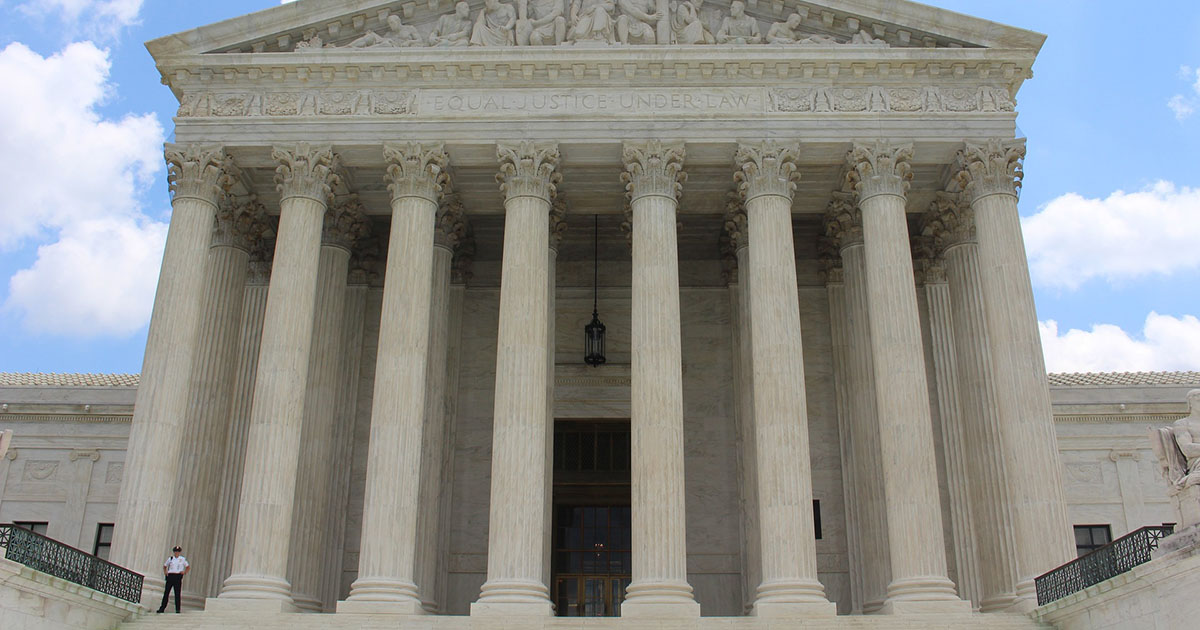
In a significant decision that could impact future election procedures, the U.S. Supreme Court has upheld a controversial Mississippi law regarding mail-in ballots. The apex court's ruling allows election officials in Mississippi to count mail-in ballots that are postmarked by Election Day and received within a five-day window thereafter. This decision comes amid a national debate over mail-in voting, which has gained prominence due to the COVID-19 pandemic and subsequent shifts in how Americans vote.
Proponents of the law argue that it provides necessary leeway for mail-in voting, which has been subject to delays amid ongoing postal service challenges. By allowing ballots to be counted up to five days after Election Day, Mississippi aims to ensure that logistical issues do not disenfranchise eligible voters who cast their votes on time. Election officials and advocates claim this will improve voter participation and confidence in the electoral process.
Conversely, critics have raised concerns about potential security risks and the integrity of the election process. Those opposing the ruling assert that extending the ballot reception period could open new avenues for fraud and mismanagement, although evidence of widespread issues in mail-in voting has been scant. Nonetheless, the ruling underscores the continuing discord in American elections, with states navigating the delicate balance between accessibility and security.
The Supreme Court's decision reflects an increasing recognition of the unique challenges posed by modern voting dynamics. As mail-in voting becomes a fixture in U.S. elections, the ruling is likely to influence similar cases and legislation nationwide. States across the country will be watching closely, as they grapple with setting their own regulations to manage the growing demand for mail-in ballots and its implications on the electoral process.