
Analyzing Trump's Focus on the SAVE America Act
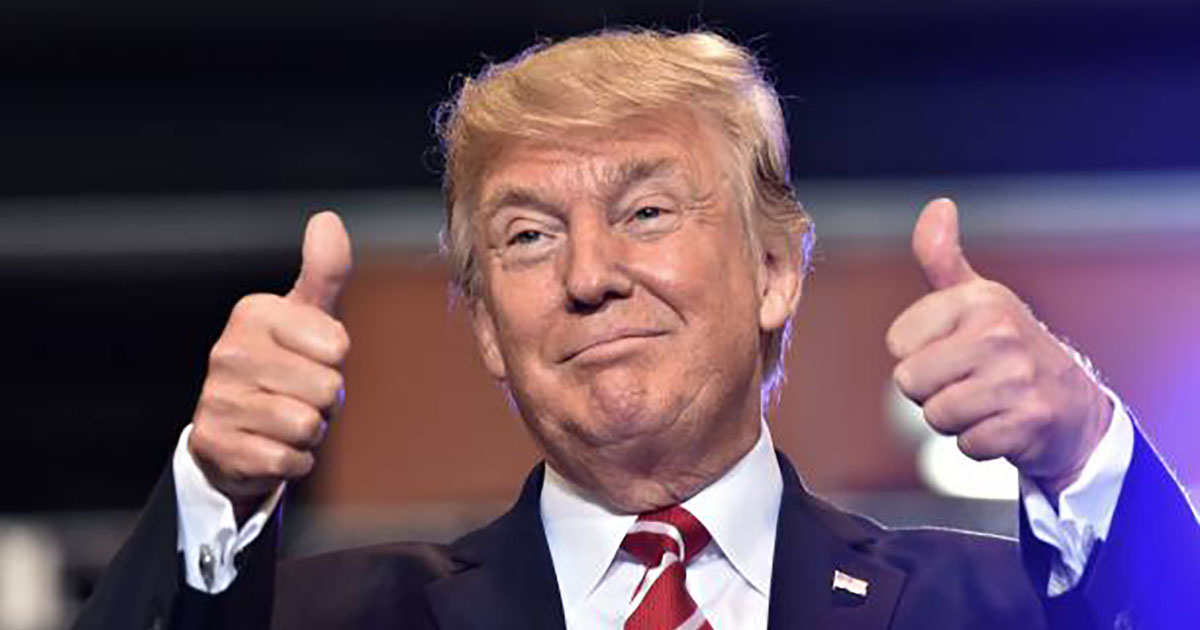
In an unexpected twist within Washington's intricate legislative landscape, President Trump has taken a personal interest in a new piece of voting legislation known as the SAVE America Act. While the President has been vocal about the need for developments in election integrity, the reception from his Republican colleagues on Capitol Hill has been less than unanimous. This legislative effort highlights a growing divide within the GOP regarding the future direction of election laws in America.
The SAVE America Act, as championed by President Trump, aims to introduce a series of sweeping changes to current voting processes, emphasizing stringent verification measures and tighter control over mail-in ballots. The President's support for the Act underscores a continuation of his administration's focus on elevating election security measures. However, some Republican lawmakers, wary of potential backlash or unintended voter suppression, have expressed reservations. This schism reflects a broader debate within the party on how best to address voter confidence without alienating constituencies.
Key Republican figures have voiced concerns that the SAVE America Act may prove divisive, potentially fracturing an already fragile consensus on election reform strategy. As the party juggles various views, from die-hard Trump loyalists to moderate voices calling for cautious analysis, the legislative fate of the bill hangs in a delicate balance. Approaching midterm elections and the shadow of a looming Presidential race seem to influence the stakes, each strategy weighing heavily on potential electoral outcomes.
The mixed reception within the halls of Congress signals a complex road ahead for President Trump's legislative ambitions. As discussions continue, the SAVE America Act symbolizes not only the contours of electoral reform but also the ongoing struggle to unify party strategy in a post-2016 landscape heavily defined by issues of election integrity. Observers remain keenly attentive to developments, understanding that the resolution of this legislative conflict may set crucial precedents for future electoral conduct in America.