
Midnight Deadline Looms for Major Housing Bill as Trump Holds Back Signature
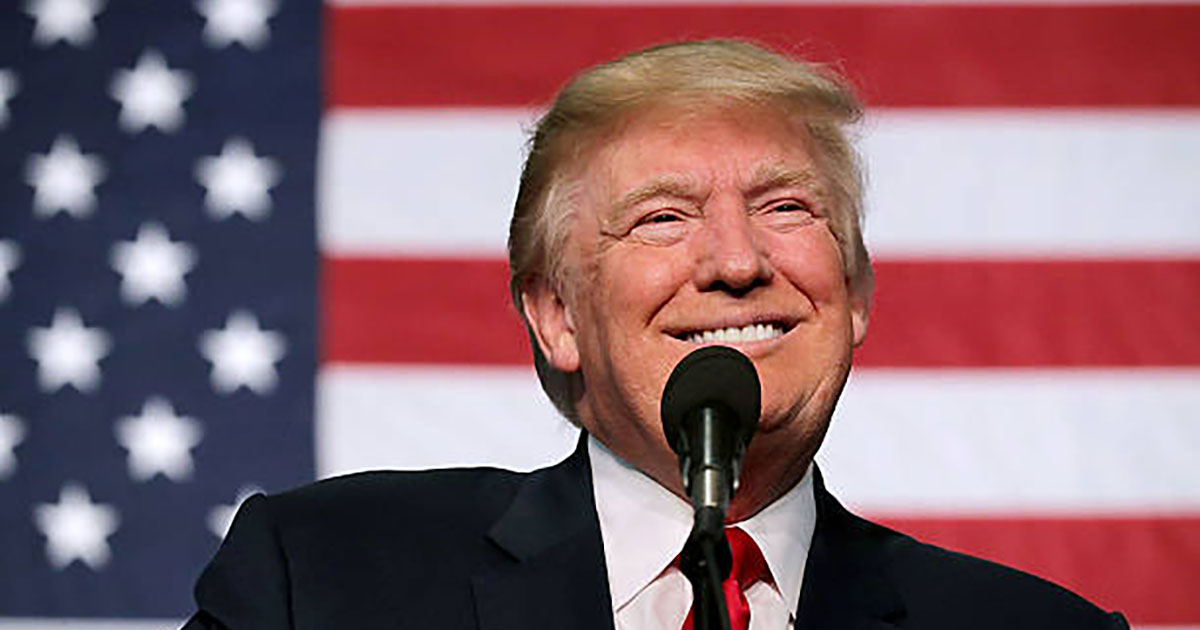
In a significant political standoff, President Trump announced his unwavering stance to veto impending legislation unless Congress acts to pass his comprehensive voter identification bill. The move significantly raises the stakes in what has already been a contentious debate over election integrity and the balance of federal and state powers. This latest development threatens to deepen the partisan divide in an already polarized political climate.
The President's voter ID proposal is ambitious in scope, aiming to implement stricter identification requirements across all federal elections. Advocates argue it is a necessary step to protect against electoral fraud and ensure public trust in the democratic process. Critics, however, claim the measure could disenfranchise millions of voters, particularly among minority and low-income groups, who may face significant barriers in obtaining the required identification.
On Capitol Hill, reactions to the President's ultimatum are sharply divided. Republican lawmakers largely support the bill, aligning with the President's call for fortified voting laws to enhance security measures. Meanwhile, Democrats are expected to fiercely oppose any legislation they believe could suppress voter turnout. The bill's passage is now intricately tied to negotiations over broader policy measures, making this a pivotal moment in the legislative session.
Amid this legislative gridlock, the White House remains resolute in its demand for action. The administration views the voter ID bill as a cornerstone of President Trump's larger agenda for electoral reform. As both chambers of Congress grapple with the implications, the political calculus will undoubtedly influence the direction of these key negotiations. With each side firmly entrenched, finding a path forward may prove elusive as the clock ticks on other legislative priorities.