
Historic Housing Affordability Bill Clears Congress, Bypasses Trump's Signature
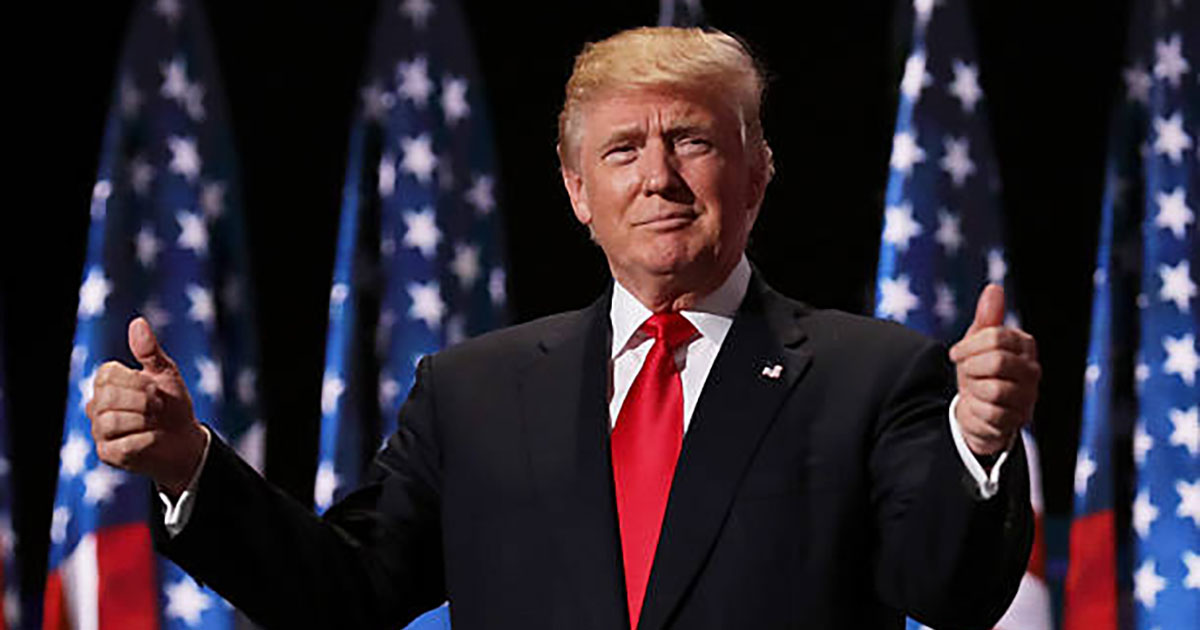
In a striking political showdown, President Trump has drawn a definitive line in the sand, declaring his refusal to sign the recent spending bill unless Congress prioritizes and enacts his comprehensive voter ID legislation. The President's firm stance effectively places a legislative chokehold, interlinking fiscal policy with electoral reform, a move that could potentially lead to significant ramifications if an accord is not reached.
His insistence on advancing the voter ID bill stems from a long-standing commitment to overhaul the nation's electoral protocols, which President Trump argues is essential for ensuring the integrity and security of the democratic process. The proposed legislation demands stricter identification requirements at the polls, a measure that has incited considerable debate among lawmakers, civil rights advocates, and the general populace.
This legislative standoff highlights the deeply polarized climate on Capitol Hill, with Republicans largely backing the President’s push as a necessary step for election security, while Democrats counter that it may disenfranchise valuable voter demographics, potentially skewing electoral participation dynamics. The impasse reflects broader partisan divides, foregrounding the contentious nature of voting reforms amidst ongoing national discourse on electoral fairness and access.
As the deadline for the bill's passage looms, financial markets and investors watch closely, wary of the implications that a prolonged fiscal deadlock could have on economic stability. The President's refusal to decouple voter ID enforcement from the spending bill signals not only his determination to institute lasting changes to the voting system but also his willingness to leverage significant legislative power to achieve his administration's objectives.