
Minnesota Withdraws Troops Early from D.C. Amid Mounting Pressure on Michigan
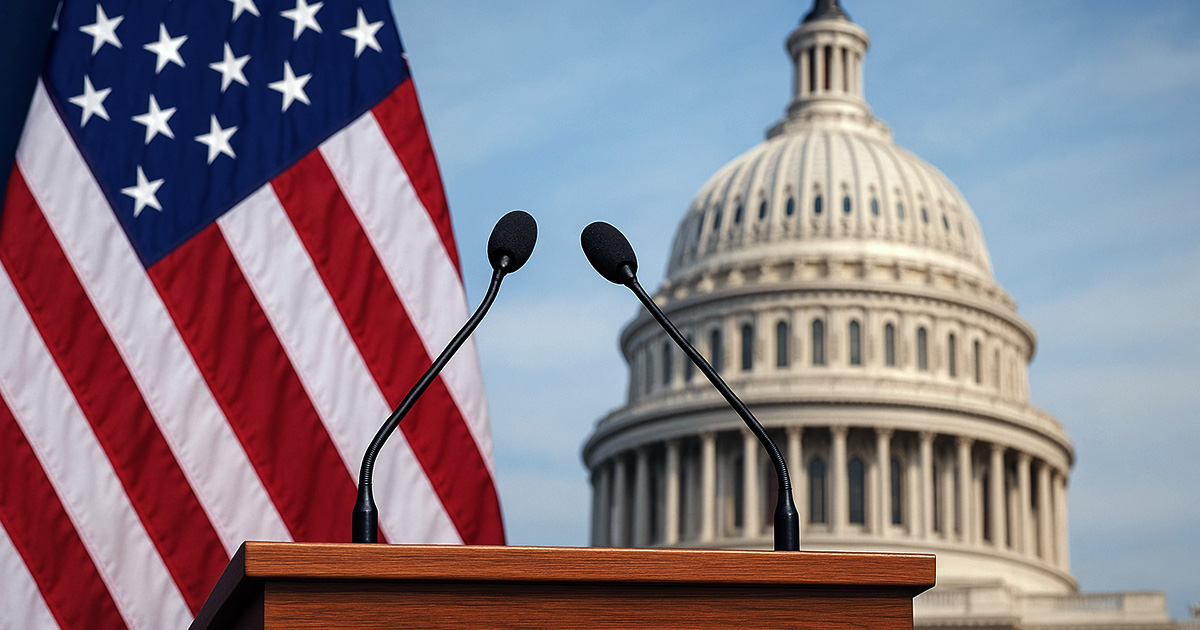
Minnesota Governor Tim Walz has ordered the early withdrawal of his state’s National Guard troops from Washington, D.C., marking a significant response to the mounting criticism against Democratic governors dispatching military personnel to the nation's capital. The decision comes amid a growing cacophony of voices questioning the presence of National Guard units in D.C., as concerns around liberty and the use of military force in domestic affairs resonate across the political spectrum.
Governor Walz's move underscores the delicate balancing act faced by state leaders as they navigate the national furor over President Trump’s deployment strategies. The presence of troops, initially intended to safeguard federal property during a period of heightened political tension, has inadvertently heightened divisions between state and federal authorities. As bipartisan appeals for de-escalation echo throughout the country, Walz's decision reflects a pivot towards addressing civil liberties and state autonomy concerns.
The Minnesota National Guard’s early departure from the capital could signal a broader shift among states reassessing their roles in federal security measures. Fueled by a federal political climate punctuated by strife, governors are increasingly pondering the longer-term implications of lending their troops in domestic deployments, especially when such decisions intertwine intricate constitutional and moral conundrums.
This development arrives as other Democratic and even some Republican governors deliberate over similar retractions, spurred by public outcry and introspection on the state's responsibilities versus federal edicts. As debates over the propriety of military presence in civil issues persist, Governor Walz’s actions may foreshadow a pivotal turning point in state-federal dynamics.