
U.S. Legislators Intensify Inquiry into Fatal Caribbean Boat Collision
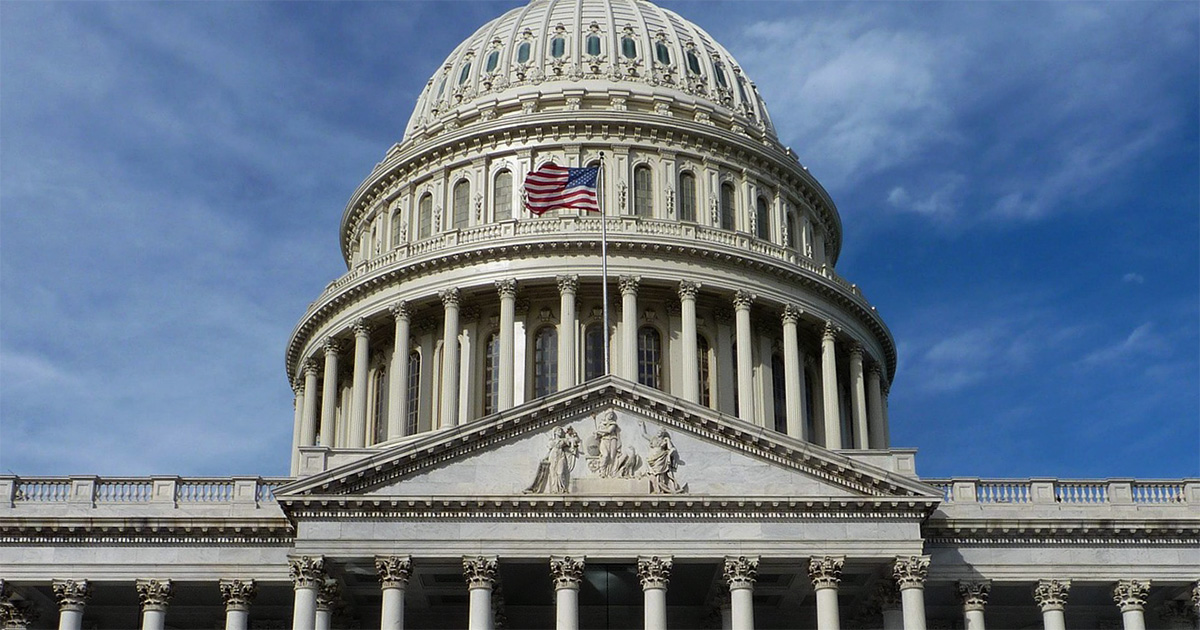
In the wake of a high-stakes encounter in the Caribbean, where United States forces launched an attack on a vessel suspected of carrying contraband, lawmakers on Capitol Hill are intensifying their scrutiny of the Trump administration's decision-making processes. The skirmish, which occurred in early September, has prompted a demand for transparency as Congress seeks to uncover the motivations and intelligence that precipitated the military action.
Members of both parties are raising concerns over the sufficiency of evidence used to justify what some describe as a preemptive strike. The lack of detailed information following the incident has led to calls for hearings, with representatives questioning if established protocols for engagement were adhered to. The situation poses a unique challenge at a time when the geopolitical dynamics in the Caribbean are becoming increasingly complex.
White House spokespersons have maintained that the decision was based on credible intelligence suggesting the boat posed a significant threat to national security. However, details remain scant, and the administration has been reticent to release further information citing ongoing investigations. This veil of secrecy is proving to be a flashpoint for legislative inquiries aimed at ensuring congressional oversight is respected and that executive actions are accountable to the public's representatives.
The incident underscores the delicate balance between safeguarding national security and maintaining public trust through transparency. As Congress seeks to exercise its oversight function, the unfolding dialogue may set precedents that could influence future military engagements in similar contexts. Lawmakers are poised to demand that mechanisms for decision-making be reviewed, potentially reshaping how such operations are conducted in volatile regions.