
Five Decades On: Concerns Rise Over the Future of Special Education in the Trump Era
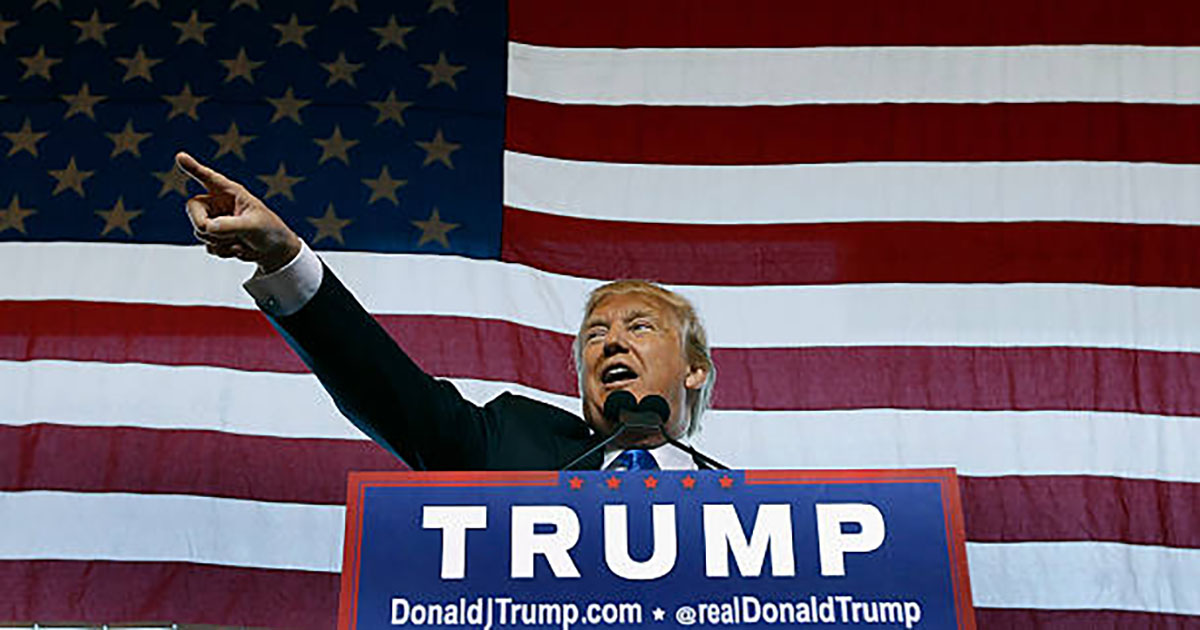
In a sweeping move that has sent ripples throughout the education sector, the Trump administration has undertaken efforts to remove a significant number of federal staff responsible for managing and enforcing disability laws within the nation's schools. These actions have raised considerable concern among educators, policymakers, and disability advocates, who view them as an assault on essential protections for students with disabilities. By potentially destabilizing the structures in place, the recent dismissals threaten the support systems that ensure equal educational opportunities and adherence to federal mandates.
At the heart of this initiative lies a deeper philosophical debate about the role of the federal government in education. Proponents of the firings argue that this is a necessary step toward reducing unnecessary bureaucracy and an attempt to return power to local districts. Conversely, critics fear that these dismissals could lead to inconsistent enforcement of disability laws, leaving vulnerable students without necessary accommodations and undermining decades of progress in special education.
The recent actions have sparked legal and political challenges, as state and federal education departments grapple with the implications of a potentially understaffed federal enforcement arm. School districts may find themselves in a precarious position, tasked with adhering to federal guidelines without the usual level of oversight and assistance. This shift leaves educators and administrators facing uncertainty in how to best support students with disabilities amid evolving policies.
With the future of federal oversight in flux, stakeholders are closely monitoring potential changes to the Individuals with Disabilities Education Act (IDEA) and the execution of its provisions. The long-standing law mandates that public schools provide free and appropriate education to students with disabilities, a standard that has been bolstered by federal oversight. As these staffing changes unfold, the educational landscape remains tense, awaiting clarity on the administration's long-term educational priorities and commitment to disability rights.