
Supreme Court Set to Broadly Bolster Presidential Authority
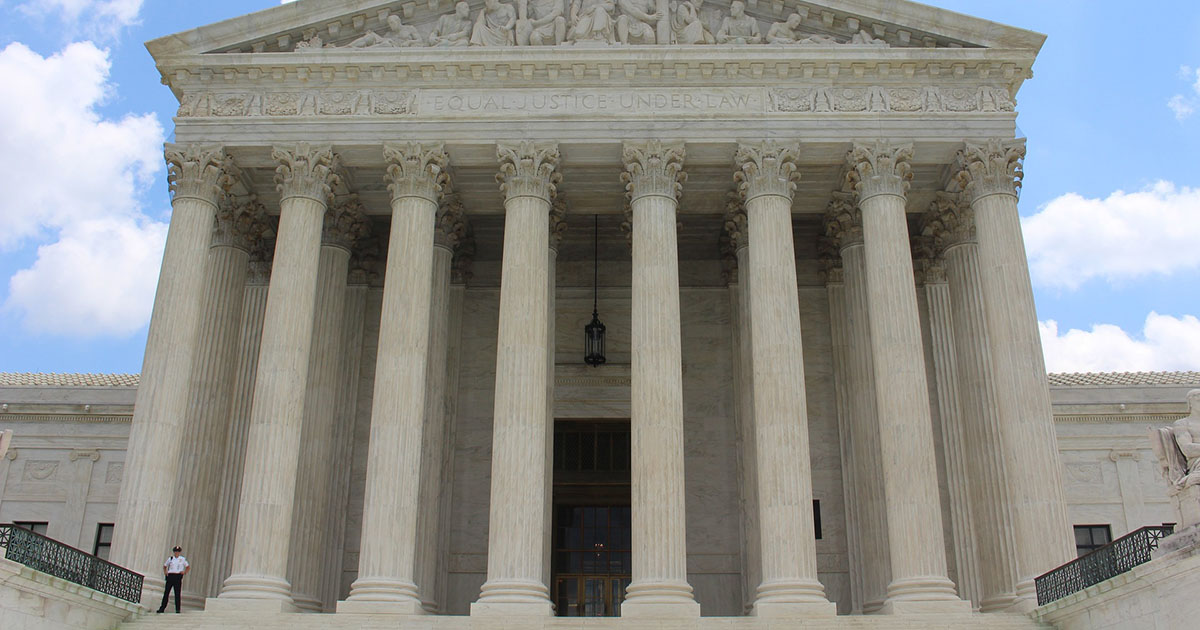
In a pivotal moment for governance and executive power, the Supreme Court convened this week to deliberate on a legal battle questioning former President Donald Trump's dismissal of a Federal Trade Commissioner. This case threatens to overturn a 90-year-old precedent that has historically curbed presidential authority over independent agencies, setting the stage for potential shifts in the balance of power between the legislative and executive branches.
Throughout the session, justices grappled with fundamental questions about the separation of powers, with arguments focusing on whether the president should wield greater control over independent agencies like the Federal Trade Commission. This debate harbors the potential to redefine the landscape of administrative governance in the United States, challenging the status quo that has left such agencies insulated from direct presidential influence.
The precedent in question harks back to the New Deal era, a time when the country embraced regulations designed to insulate critical governmental functions from political interference. As the Court weighs arguments, legal analysts and stakeholders are keenly eyeing if the ideologically diverse bench will lean towards reinforcing or dismantling these long-standing checks on executive reach.
This case, emblematic of a wider conversation on executive power, extends beyond the immediate parties involved. It serves as a litmus test for the broader philosophical and constitutional interpretations shaping the nation's approach to independent oversight. Should the Court decide in favor of diminishing these entrenched protections, the ripple effects could drastically augment presidential influence over policy-making apparatuses across sectors.
The outcome remains uncertain and could bear significant implications for the future political landscape, influencing how subsequent administrations approach agency oversight. This decision will likely reverberate through both political and corporate spheres, affecting the operational autonomy of regulatory bodies whose roles have fundamentally underpinned the mechanization of American government for nearly a century.