
Congressman Adam Smith Criticizes Trump's Oil Blockade, Citing Power Play Over Venezuela
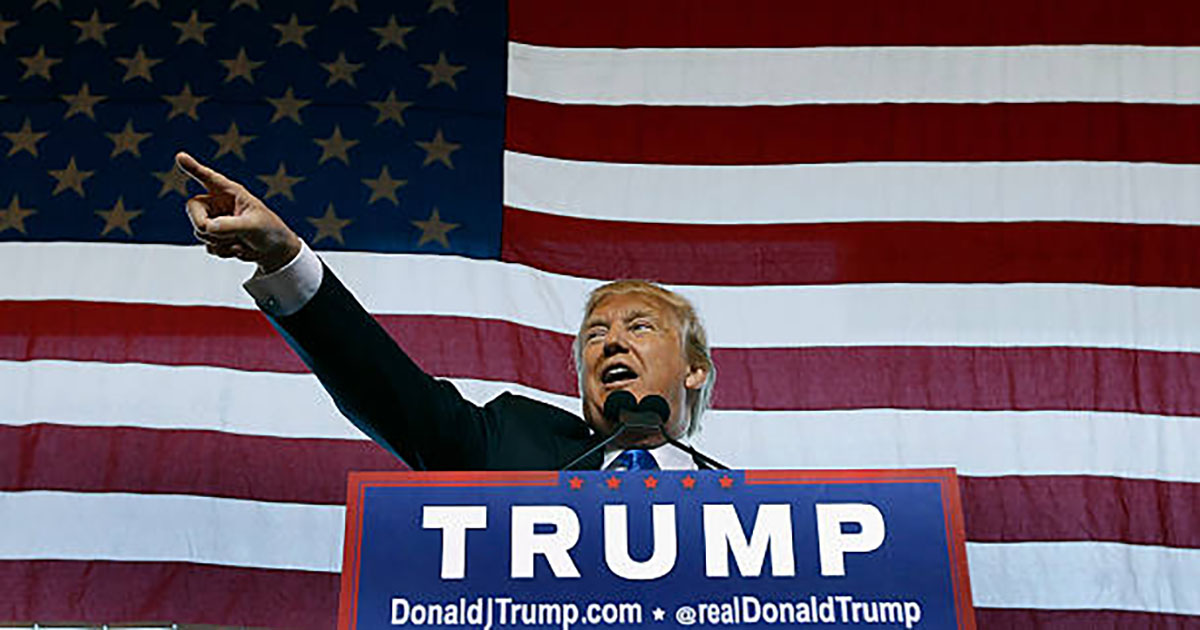
Rep. Adam Smith, the top Democrat on the Armed Services Committee, has expressed staunch criticism of the oil blockade imposed by former President Donald Trump, characterizing it as primarily a maneuver to unseat Venezuelan President Nicolás Maduro. According to Rep. Smith, the sanctions, ostensibly aimed at pressuring the Venezuelan government to restore democratic processes, are deeply entangled with broader geopolitical strategies and power shifts in the region.
The Trump administration's approach to Venezuela, particularly through the oil embargo, was seen as a direct attack on Maduro's ability to sustain his regime. Leveraging Venezuela's substantial oil industry, which is pivotal to its economy, the blockade sought to devastate the financial backbone supporting Maduro, pushing for a regime change. Rep. Smith argues that such an aggressive stance was less about protecting democratic values and more about reasserting U.S. influence over a socialist government that had long been at odds with American policy positions.
Amidst global diplomatic corridors, the blockade fueled heated discussions and debates, with some allies expressing reluctance to back measures that would largely affect the civilian population. Rep. Smith maintained that while the intention to restore democracy was laudable, the execution exacerbated humanitarian challenges, leaving ordinary Venezuelans to bear the brunt of the economic collapse. Critics highlighted the stark disconnect between policy-makers and realities faced by the average Venezuelan citizen struggling under economic duress.
Rep. Smith's remarks come at a time when U.S. foreign policy is under sharp scrutiny, offering reflection on recent historical moves and their long-term efficacy. As the Biden administration evaluates its path forward with Venezuela, Smith advocates for a recalibrated approach that lessens the economic strain on Venezuela's populace while retaining pressure on Maduro's leadership to foster political reform. Balancing moral imperatives with strategic goals remains a diplomatic tightrope, one that continues to challenge policymakers as they navigate the labyrinthine terrain of international relations.