
Trump's 2025 Move Spurs Frenzied Redistricting Efforts Across States
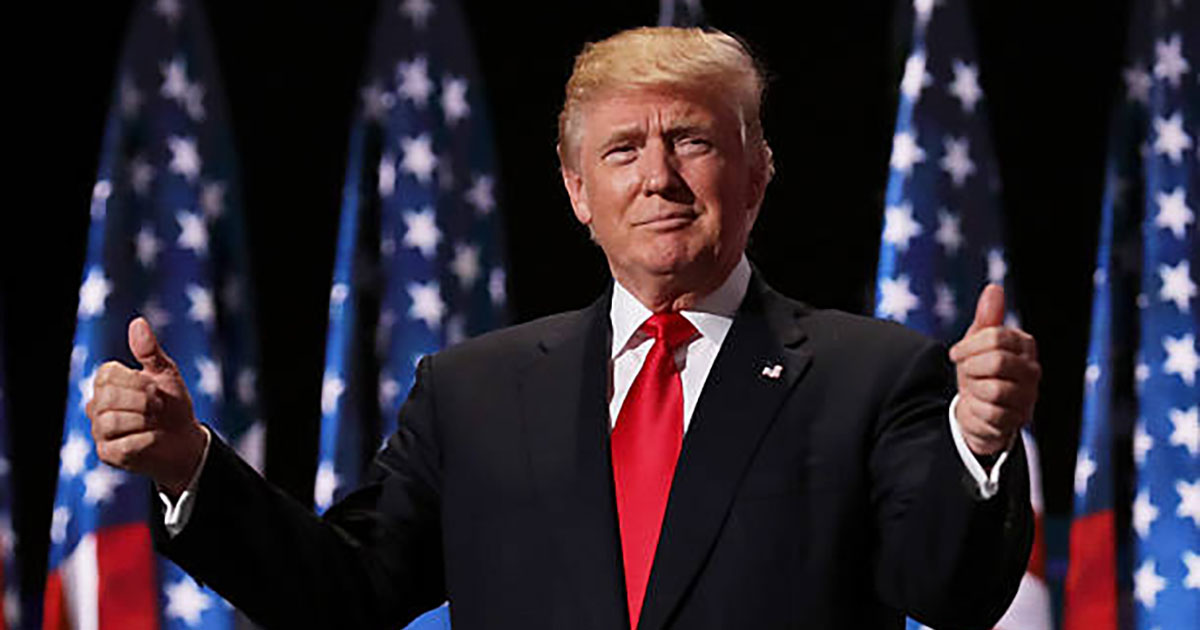
In a controversial move that could reshape the dynamics of American politics, President Donald Trump in 2025 has actively encouraged Republican-led states to gain leverage in the upcoming 2026 elections through strategic redistricting. This push to redraw congressional maps is expected to lead to intense partisan debates and legal battles, as each party maneuvers for control of the House of Representatives. The implications of these efforts may well determine the balance of power in Washington following the midterm elections.
Republican lawmakers are capitalizing on this momentum, with many state legislatures under the GOP's control gearing up to redraw boundaries in a way that could strengthen their electoral prospects. The underlying strategy involves utilizing demographic data and previous election results to create districts that could potentially tip the scales in favor of Republican candidates. However, critics argue that these maneuvers threaten to undermine the principles of fair representation, intensifying the debate over gerrymandering.
The ramifications of these redistricting efforts may reverberate throughout Capitol Hill, influencing not only the legislative agenda but also shaping national policy directions. With a politically charged atmosphere, the stakes have never been higher. As both parties brace for the midterms, the potential shifts in congressional seats could alter legislative priorities and impact critical decisions on economic policy, healthcare reforms, and foreign relations.
Legal challenges are expected to be a prominent feature of the redistricting process, with opposition leaders and voter rights advocates prepared to contest maps that they perceive as unfair. As the courts become the battleground for these disputes, the interpretations of newly drawn district lines could set precedents that influence the American electoral landscape for years to come. Both parties are acutely aware that the outcome of this redistricting saga will play a pivotal role in defining the political narrative ahead of the 2026 elections.
Amidst the political maneuvering, voters are left to navigate through altered electoral landscapes, potentially facing new realities in their district representation. As the nation watches these developments unfold, questions about the integrity and fairness of the electoral process are likely to dominate political discourse. The redistricting efforts underscore a pivotal moment in American democracy, with lasting implications for future governance and public trust in the electoral system.