
Federal Judge Mandates Due Process for Deported Venezuelans in U.S.
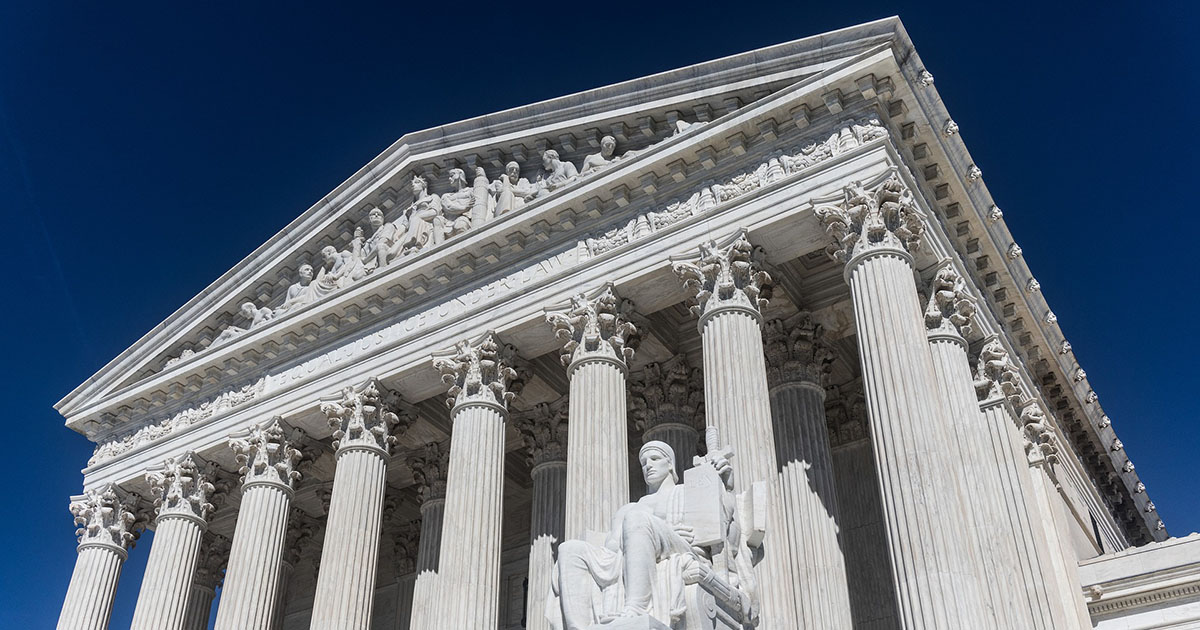
In a landmark ruling that underscores the complex interplay between national security and human rights, Judge James Boasberg has determined that the United States denied due process to several Venezuelan men deported amid tightening immigration policies. These men were transferred to a prison facility in El Salvador, where they remain detained, after former President Donald Trump invoked the scarcely-utilized 1798 Alien Enemies Act—an artifact of American legislative history conceived during a time of looming European hostilities.
The decision marks a critical examination of the legal boundaries within which the U.S. government may operate when invoking national security prerogatives. The Alien Enemies Act allows the President broad authority to detain and deport individuals from foreign nations deemed hostile, but Judge Boasberg's ruling suggests a judicial appetite for scrutinizing the due process extended to those affected by such proclamations. The court underscored the need for adherence to fundamental legal protections even in the face of perceived threats, setting the stage for potential appeals and further legal discourse.
Legal experts observed that the decision could have far-reaching implications for how future administrations wield powers during periods of international tension. While the Alien Enemies Act has remained a seldom-discussed component of presidential authority arsenal, its invocation against Venezuelan nationals comes at a time when geopolitical dynamics in the region are increasingly fraught. The verdict serves as a judicial gauntlet thrown at the intersection of executive power and individual rights, drawing renewed attention to historical statutes that continue to resonate in contemporary policy-making.
Advocates for immigrant rights heralded the ruling as a pivotal victory, asserting that the judicial branch has asserted its role as a critical check against possible executive overreach. Conversely, proponents of robust immigration controls caution against interpretations of due process that could, in their view, impair the government's ability to act decisively in protecting national interests. In this climate of legal uncertainty, the Boasberg decision may serve as an important litmus test for future legal challenges seeking to balance national security with civil liberties.