
Congress Caps a Year of Turbulence: A Retrospective Analysis
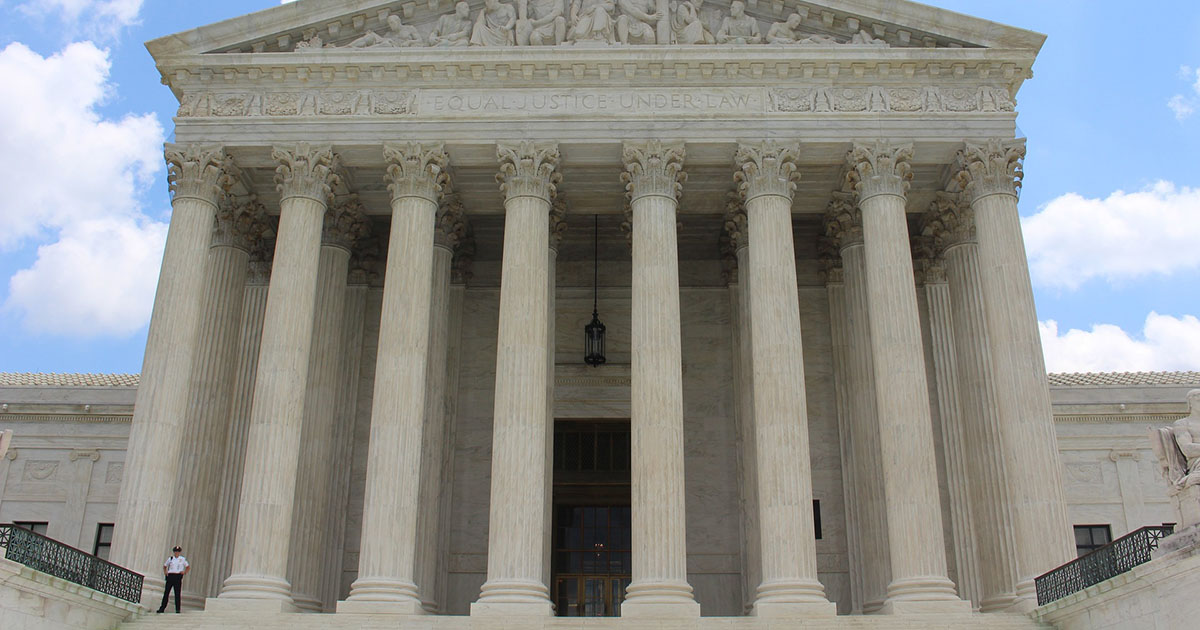
As the Capitol lights flickered into 2025, Congress stood on the precipice of what promised to be a year of transformative policymaking. Lawmakers were armed with an ambitious agenda aimed at tackling an array of pressing issues, from infrastructure revitalization to sweeping healthcare reforms. Yet, as the curtain falls on the year, it is a starkly different narrative that has unfolded. Congress has watched much of its power slip into the hands of President Trump, with legislative productivity hitting a record low.
The statistics are stark: only a handful of bills have made their way through the legislative branches and onto the President’s desk. This pace marks a historic low in terms of legislative output, a reflection of deep divisions and strategic reconfigurations within the halls of power. Observers point to a combination of partisan standoffs and the strategic leverage wielded by the executive branch, further consolidating President Trump's influence over the national agenda.
Several factors have contributed to this legislative languor. At the heart of the gridlock is a highly polarized political landscape, which has stymied bipartisan efforts and cooperation across the aisle. Additionally, President Trump has capitalized on executive orders and proclamations to steer policy in the absence of congressional consensus, thereby reshaping the governance paradigm itself. This strategic pivot has critics raising concerns about the diminishing role of Congress in a balanced democratic system.
For Congress, the low output is not just a reflection of inability but also a signal of strategic retreat. Lawmakers, aware of the shifting sands beneath their feet, are reevaluating tactics as the executive branch continues to assert itself with resounding authority. With the midterms looming on the horizon, both parties face mounting pressure to recalibrate their strategies and reinvigorate legislative action to appeal to an electorate hungry for progress and results.
As the nation steps into 2026, the challenge is twofold. Congress must rediscover its legislative vigor while navigating an administration that has deftly maneuvered to expand its domain. The coming year serves as both a crossroad and an opportunity, begging the question of whether the legislative branch can reassert its role as a coequal arm of governance. The stakes are high, and the future of balanced power rests in the balance.