
Supreme Court Decision Poised to Significantly Reduce Black Representation in Congress
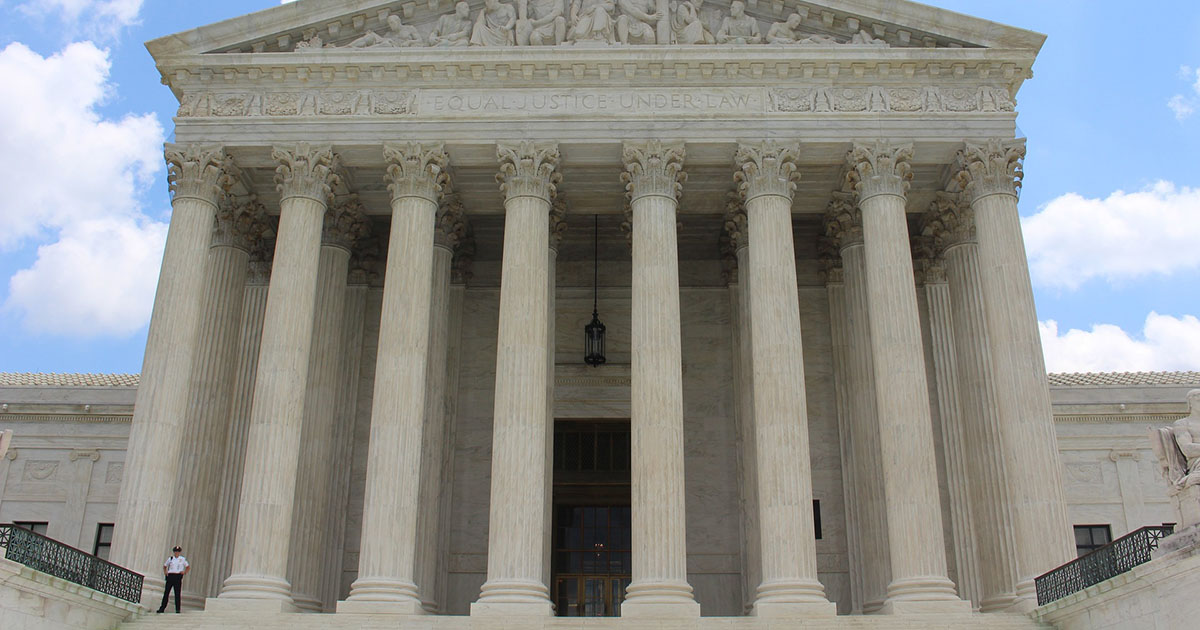
In the halls of American democracy, the Voting Rights Act has long stood as a bulwark against racial discrimination, ensuring that minority voices are not diluted amidst the cacophony of redistricting. The Supreme Court once championed these protections, but a reevaluation looms, sending ripples of concern through the corridors of power. Should the justices weaken these safeguards, the aftermath could see an unprecedented contraction in Black representation within Congress—an institutional shift with profound implications for the legislative landscape.
Historically, the Voting Rights Act has served as a critical instrument in combating racial gerrymandering, facilitating the emergence of minority districts in areas where demographic groups were, otherwise, politically marginalized. The potential pivot by the Supreme Court threatens to dismantle these hard-won gains, paving a path for an electoral map that may no longer reflect the nation’s growing diversity. Such a scenario raises alarms that the voices of Black Americans—already underrepresented in many quarters of governance—could echo even more faintly in the chambers where pivotal policies are crafted.
A diminution of Black representation in Congress would not merely be symbolic; it carries tangible consequences for legislative priorities and the direction of national discourse. Black lawmakers have historically been at the forefront of pushing for comprehensive reforms on issues ranging from criminal justice to voting rights, ensuring that the lived experiences of their constituents are woven into the national narrative. A decline in their numbers would not only disrupt this advocacy but also risk sidelining the issues central to America's Black communities.
The scrutiny of what constitutes fair representation is not just a matter of policy, but also of national identity. The Supreme Court's decision could reshape the electoral landscape, reverberating beyond the immediate political domain and challenging America's commitment to a truly representative democracy. As the nation braces for a landmark ruling, the stakes stretch beyond legal interpretations; they extend into the core of how America perceives itself and the principles it is willing to uphold.