
Trump Frequently Cites Dubious Figures; Some Defy Mathematical Reality
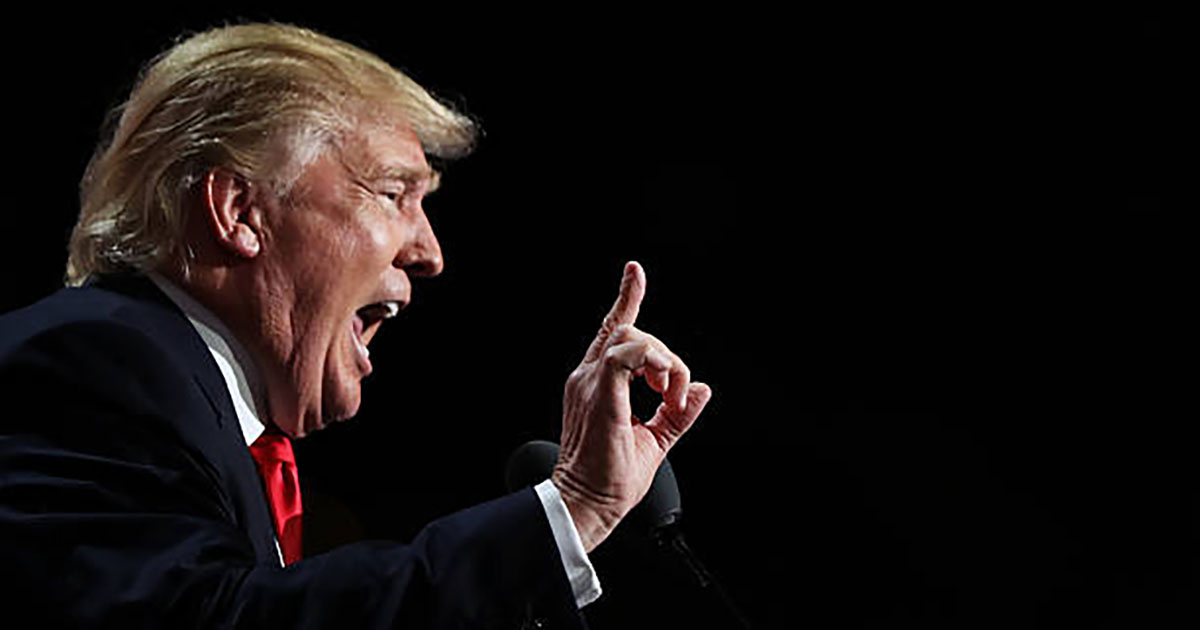
In an era where leaders use statistics to bolster their messages, former President Donald Trump stands out for his distinctive use of numbers that often defy mathematical logic. His speeches and public remarks routinely feature figures and percentages that grab headlines, capturing attention and sometimes sparking debate amongst analysts and the public alike. While his numerical assertions can energize his base, they frequently challenge the analytical minds tasked with reconciling them with reality.
During his tenure, Trump frequently touted economic achievements using superlative figures that energized his supporters. He famously claimed he was the architect of "the greatest economy the world has ever seen," often backing this assertion with impressive percentage points and growth rates. However, fact-checkers and economists have at times noted discrepancies, questioning the feasibility of certain claims when juxtaposed with existing data and economic principles.
The use of hyperbolic statistics, though unconventional, served Trump effectively as a communication tool. It is a strategy that resonates in the current media landscape where bold, sensational figures often receive more coverage than mundane truths. Whether discussing unemployment rates, trade deficits, or GDP growth, the former president has deftly employed numerical exaggeration to make impactful points, even if these figures sometimes draw skepticism from critical observers.
This penchant for headline-grabbing figures is not lost on Trump's critics or supporters. While some applaud the straightforward and optimistic message inherent in such numbers, others worry about the potential long-term effects of spreading mathematically dubious claims on public trust in official statistics. In a world increasingly driven by data, the divergent perspectives on Trump's numerical rhetoric underscore a broader debate about the balance between persuasive communication and factual accuracy in political discourse.