
House Set to Vote on ACA Subsidy Renewal Amid Emerging Senate Deal
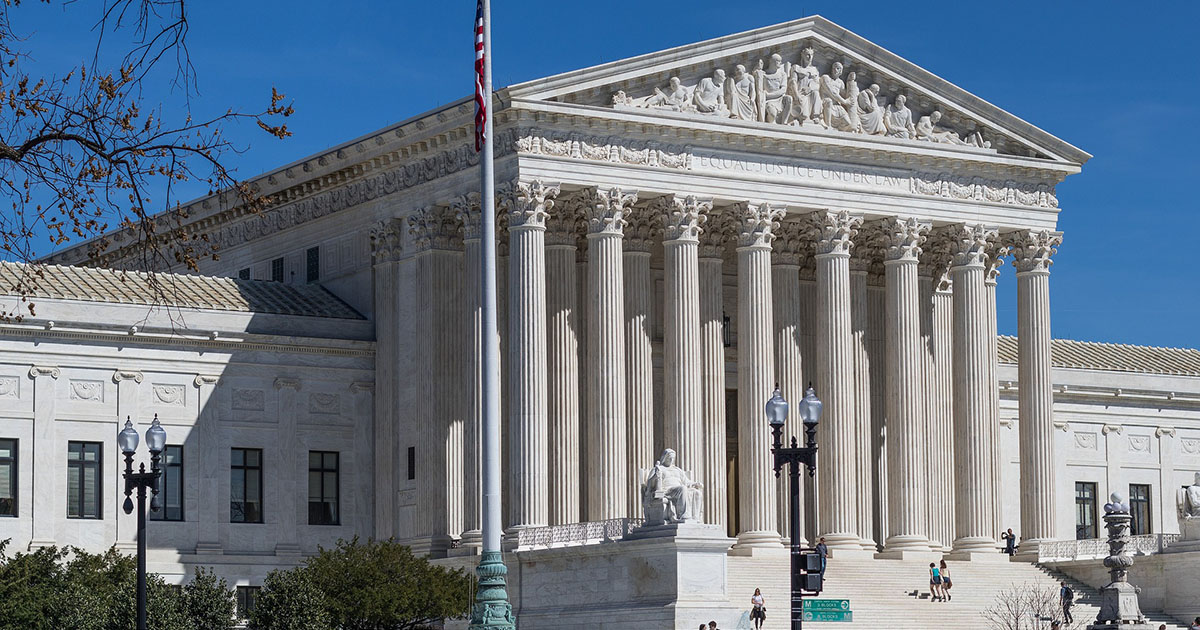
As Congress approaches a critical decision on the three-year extension of current legislation, expectations are high in the House where it is widely predicted to secure the necessary votes. However, the Senate is another story as historical voting patterns and recent debates suggest a more challenging path lies ahead. The landscape of political chess has led to a divide where optimism in the lower chamber confronts skepticism in the upper chamber, creating an uncertain trajectory for the proposed extension.
Despite initial resistance, a flicker of hope has emerged from a bipartisan assembly of senators who have expressed confidence in nearing a consensus on a compromise bill. These discussions could serve as a pivotal juncture, offering a potential detour from the legislative impasse that has loomed threateningly over this initiative. Lawmakers from across the political spectrum have hailed these moves as emblematic of a renewed commitment to bipartisanship, reminiscent of the bygone era where cross-party collaboration was more than a ceremonial gesture.
The effort to forge a middle path stems from intense negotiations among seasoned and fresh-faced senators alike, eager to demonstrate statesmanship in a deeply polarized environment. They aim to address concerns that have stymied previous attempts at consensus. Nonetheless, the path to agreement is fraught with complexity as negotiators grapple with entrenched positions and varying priorities that reflect the diverse ideologies of their constituencies.
As the Senate prepares to deliberate, the coming weeks will prove crucial in determining whether this collaborative spirit will yield fruit to pacify dissent and enable a viable legislative solution. Failure to secure sufficient support could have far-reaching implications, potentially extending beyond the immediate scope of the extension. All eyes remain on the Senate chambers, where the legislative calculus is poised to unravel, setting the tone for future bipartisan engagements in the nation's capitol.