
Supreme Court's Tariff Decision Ignites Corporate Rush for Refunds
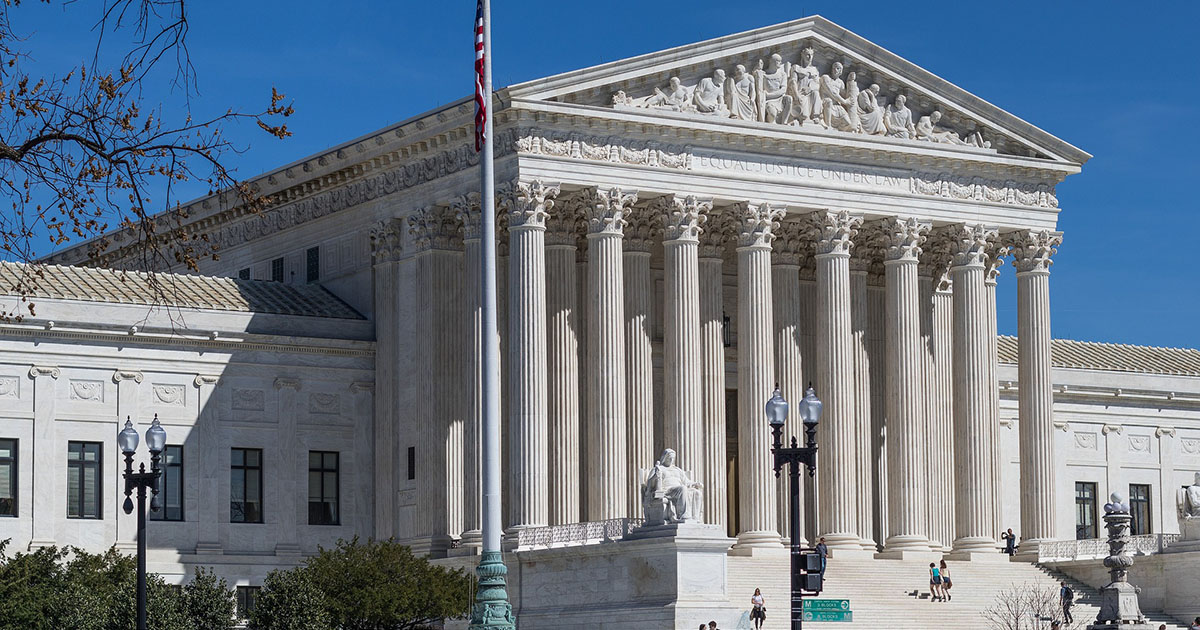
The Supreme Court's decision on Friday to nullify the tariffs imposed by President Trump marks a profound shift in the U.S. trade policy landscape. For years, these tariffs have been at the heart of significant global trade tensions, affecting industries from steel to consumer electronics. While exporters both domestic and international are celebrating, the ruling introduces a complex conundrum that remains unaddressed: the fate of the $133 billion collected under these tariffs. This unanswered question may spur a fresh wave of legal battles and fiscal policy debates.
Since the tariffs came into force, industries across America have either thrived under newfound protections or suffered under heightened costs, depending on their reliance on imports versus domestic production. The Supreme Court's decisive ruling overturns the legal foundation of these tariffs, leaving companies that shouldered increased expenses and those that benefited from reduced competition in a state of uncertainty. Equally in limbo is the money that the federal government amassed through these import duties, creating an unprecedented fiscal predicament.
The justices did not opine on the course of action regarding the substantial sum already collected, a decision that reverberates through the corridors of both corporations and Congress. Lawmakers and legal experts are faced with a plethora of options—from potential repayments to affected importers to allocating funds to offset budgetary shortfalls. This legal vacuum invites a myriad of advocacy from various economic stakeholders, each with its own interpretation of equitable resolution.
With the judicial gavel having relegated these tariffs to history, all eyes are now on the executive and legislative branches to chart a path forward. Companies that navigated the choppy waters of tariff-induced costs are left contemplating their next move, whether they should explore legal reclamation of funds or adjust their financial strategies to accommodate this new state of trade. As scenarios unfold, it is anticipated that this will remain a dominant topic not only for policymakers but also for boardrooms across the nation.