
Supreme Court's Tariff Decision: What It Means for Trump and the Political Landscape
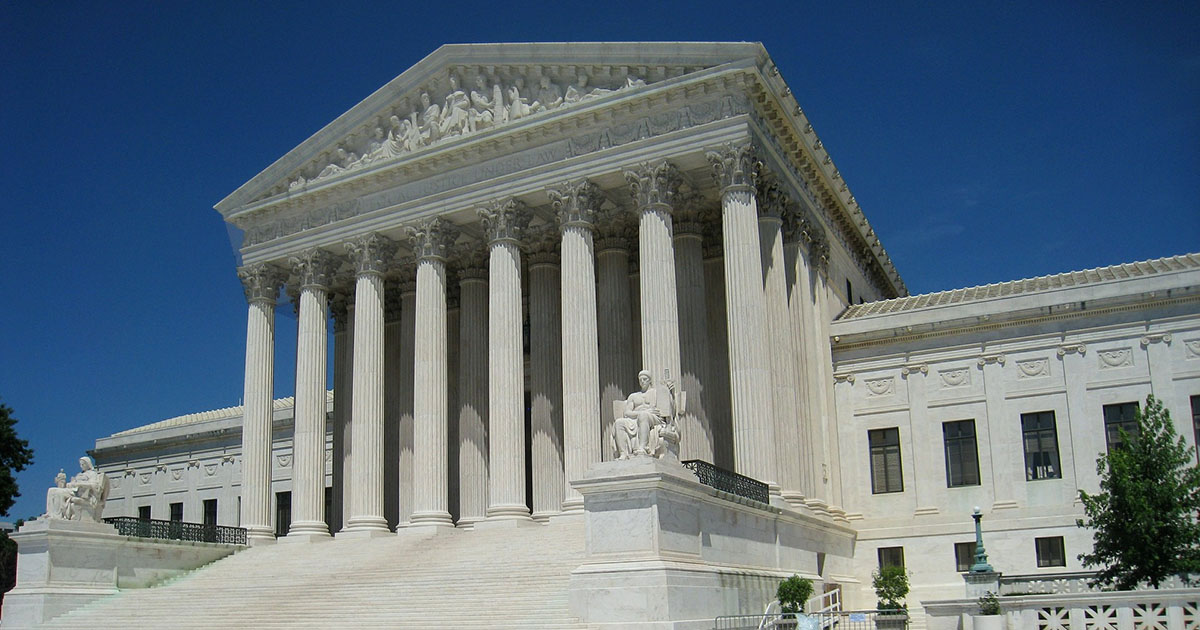
The Supreme Court's recent decision declaring some of President Trump's tariffs illegal marks a pivotal moment in U.S. trade policy. This ruling not only calls into question specific measures imposed during the Trump administration but also signals a shift in the judiciary's approach to executive power in trade matters. The immediate political implications are significant, potentially reshaping the landscape for future trade negotiations and economic strategies. Lawmakers and experts are now grappling with the ramifications of this decision, which could alter the dynamics of partisan debates over trade and economic policy.
Republicans, traditionally champions of free trade, face a conundrum as they reconcile their support for Trump's protectionist policies with the Supreme Court's rebuke. The decision places Republican legislators in a delicate position, potentially dividing those who staunchly supported Trump's tariffs as a necessary defense of American industries from those advocating for a return to traditional, globally-oriented trade policies. As the GOP approaches a new election cycle, its leaders must navigate these internal tensions while addressing a base that remains partially aligned with Trump's trade philosophy.
For Democrats, the Supreme Court's ruling presents an opportunity to critique the economic measures of the Trump era, portraying them as legally questionable and economically detrimental. Democratic leaders may use this decision to bolster their argument for a more inclusive and cooperative approach to international trade, emphasizing legal adherence and multilateral engagement. Moreover, the ruling provides a framework for questioning the extent of executive authority in imposing trade measures, potentially advocating for increased congressional oversight in future trade policy.
Internationally, the decision could influence U.S. relations with key trade partners, some of whom were adversely affected by the tariffs deemed illegal. Allies and adversaries alike will be closely watching how the Biden administration and subsequent U.S. governments respond to the court's ruling. Will there be a movement towards renegotiating or retracting certain trade sanctions, or perhaps a reinforcement of legal frameworks governing trade actions? These are questions with far-reaching implications that the global community is eager to see answered.