
Trump Shifts Strategy to Emphasize 'Winning' Amid Waning Support for Iran Conflict
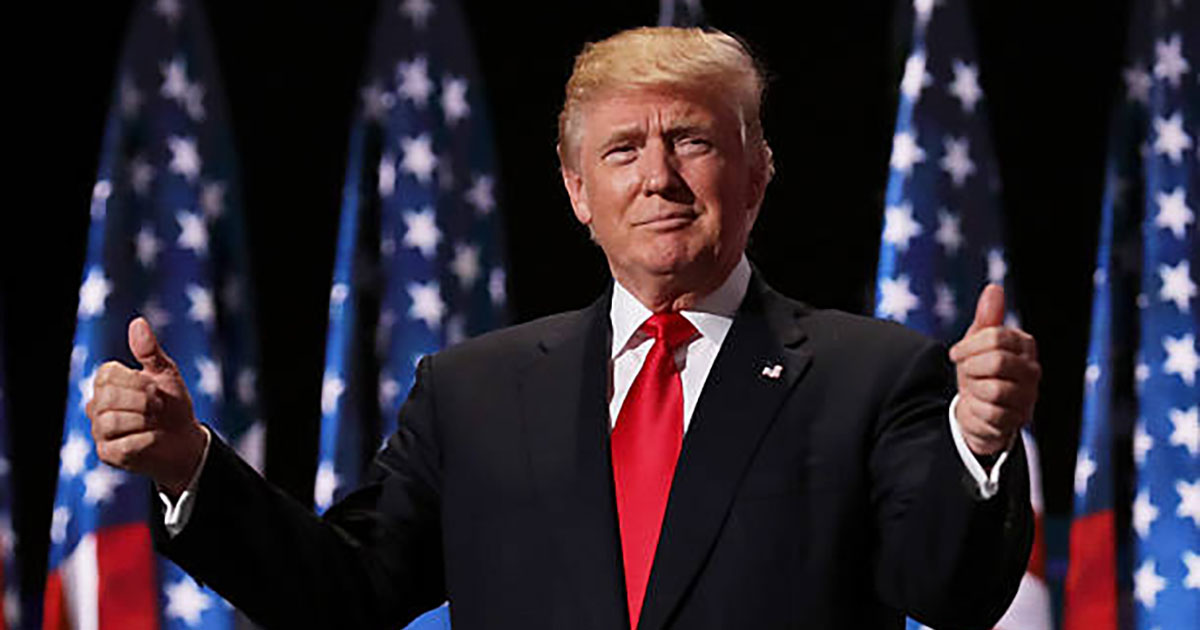
Amid the intensifying conflict and a landscape fraught with global apprehension, the Trump administration is endeavoring to recalibrate its communication strategy as it faces waning backing for the ongoing war in Iran. Now entering its third arduous week, the confrontation has sparked both domestic and international scrutiny, pressing the White House to address the growing disenchantment among its allies and within its own borders.
The origin of the conflict, attributed to escalating tensions over Iran's nuclear ambitions and regional sway, has quickly become a contentious point for the American public. The administration's steadfast rhetoric, initially steeped in national security concerns and economic sanctions, is now confronting the challenge of emerging skepticism and opposing voices from both civic and political arenas. As scenes of military engagement and its ramifications broadcast worldwide, a pivot in strategy appears to be the administration's critical tack to rally a divided platform at home.
Efforts to harness the allegiance of key international players remain a pivotal aspect of this redefined narrative. Yet, the diplomatic terrain proves intricate in light of the complex geopolitical undercurrents and the resurgence of anti-war sentiment globally. As fervent protests sprout internationally and opposition leaders question the conflict’s justification, the administration's diplomatic corps finds itself on a tightrope, negotiating between steadfast alliance support and the clamor for de-escalation.
Washington's internal debates mirror this geopolitical tightrope, showcasing a contentious divide among policymakers who urge for either sustained military pressure or a retraction in strategy. Within this milieu, the administration is striving to refine its messaging, focusing on underscoring both perceived threats and the long-term strategic vision, a narrative recalibration aimed at quelling unrest and fortifying support for what remains a polarizing campaign.