
Unveiling the Concerted Effort to Transform U.S. Immigration Policy
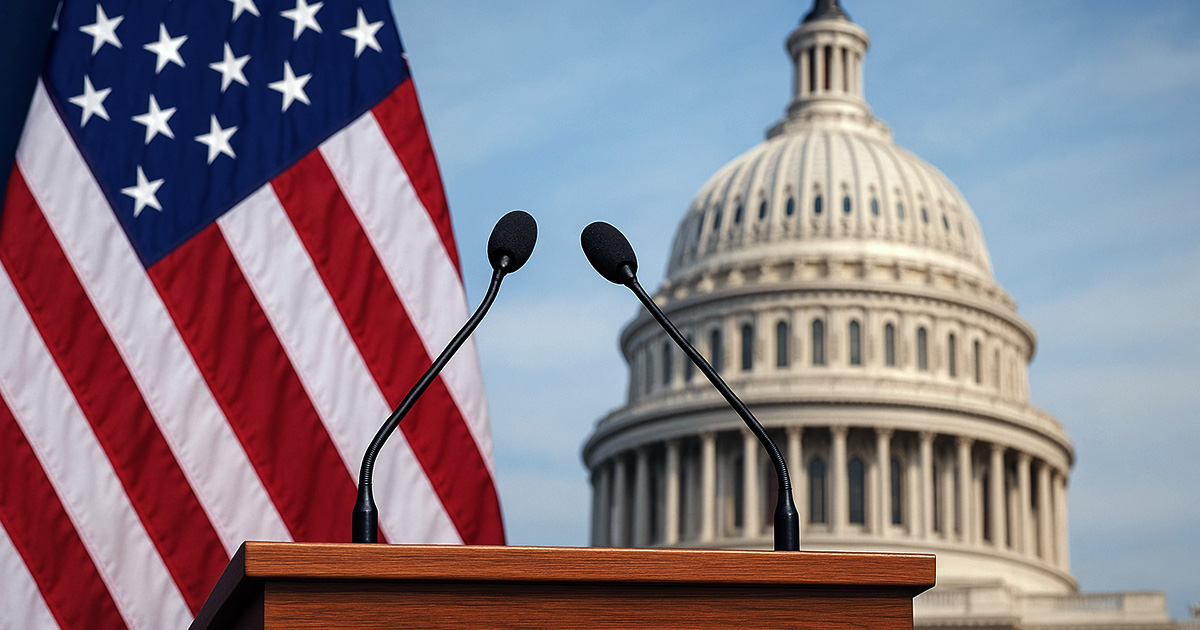
In a historic session, the Supreme Court convenes today to deliberate the Trump administration's controversial endeavor to rescind birthright citizenship. This landmark legal battle carries profound implications not only for the interpretation of the 14th Amendment but also for the broader issue of immigration policy in the United States. As justices weigh the constitutional arguments, the nation is poised on a knife-edge, awaiting a decision that could redefine the American understanding of citizenship.
The Trump administration's move is the latest in a series of aggressive actions taken to address both illegal and legal migration. Since taking office, the administration has taken a hardline stance on immigration, targeting both entry pathways and the criteria for legal residency. Measures have ranged from the notorious travel bans to the tightening of visa requirements, all part of a broader agenda aimed at fundamentally reshaping U.S. immigration policy.
NPR's in-depth analysis highlights the comprehensive approach the White House has embraced to influence migration patterns. From increased enforcement at the borders to a reevaluation of the federal immigration systems, these actions have sparked widespread debate and legal challenges. Critics argue that such measures undermine America's historical image as a beacon of freedom and opportunity, while supporters laud them as necessary for national security and economic preservation.
At its core, today's Supreme Court case about birthright citizenship serves as a microcosm for the broader immigration debate gripping the nation. Both supporters and opponents of the administration's policies recognize the case's potential to set a precedent with far-reaching consequences. As the justices deliberate behind closed doors, the eyes of the nation turn towards the court, anticipating a judgment that could resonate through the annals of American jurisprudence.