
High Court Overturns Caps on Party Spending
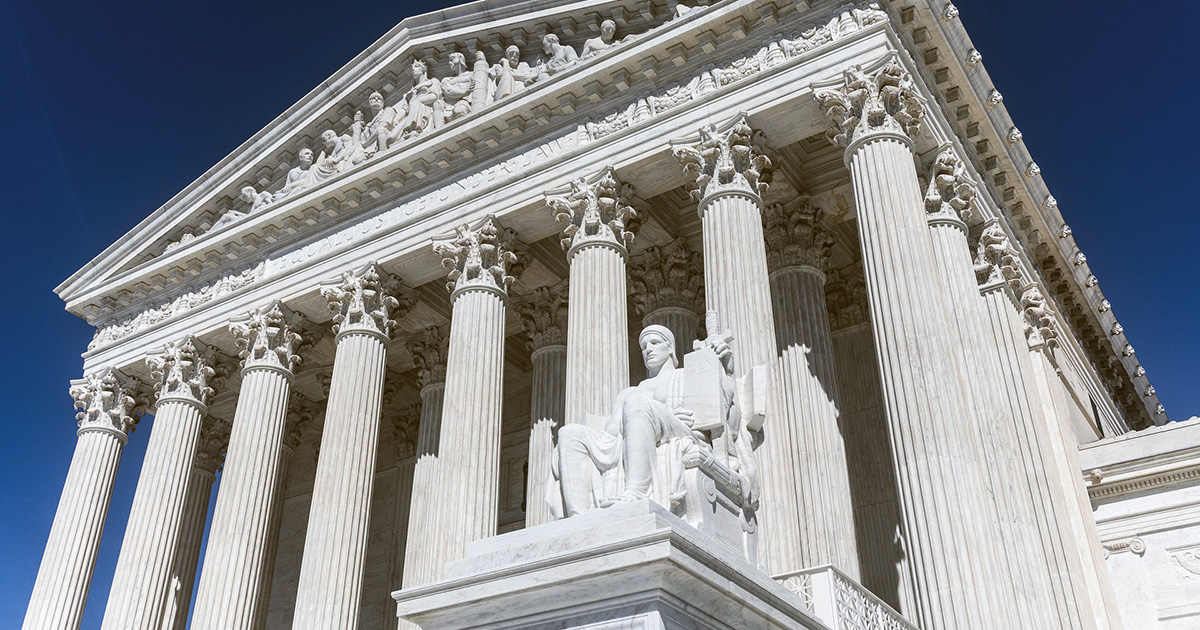
In a landmark legal battle that conjures memories of America's post-Watergate era, the Supreme Court finds itself deliberating the boundaries of individual contributions to political parties. At the center of the discourse is a pivotal piece of legislation birthed out of a nation reeling from scandal — a law designed precisely to curb undue influence and restore public trust in the political system.
Passed in the wake of Watergate's damaging revelations, the legislation set stringent caps on the financial support individuals could channel directly to political parties. Rooted in the intention to democratize political power, the law aimed to prevent monied interests from wielding disproportionate influence over elected officials and party agendas. Its proponents argue that the caps are essential in keeping the electoral process transparent and equitable.
However, the limits prescribed by this post-Watergate mandate have not gone unchallenged. Critics argue that such restrictions on personal contributions infringe upon First Amendment rights, curtailing freedom of expression by limiting how individuals can support political causes. This tension between regulation and free speech underscores the complexity of balancing democratic ideals with practical governance.
As the justices weigh their decision, the case has reignited a broader debate about the funding of American politics. With campaign finance reform perpetually at the forefront of political discourse, the outcome could reshape the landscape of party financing. Central to the court’s discussion is whether the existing law meets constitutional muster or merely hinders a form of political participation.