
Trump Rules Out Using Force in Greenland Acquisition, Addresses Davos Audience
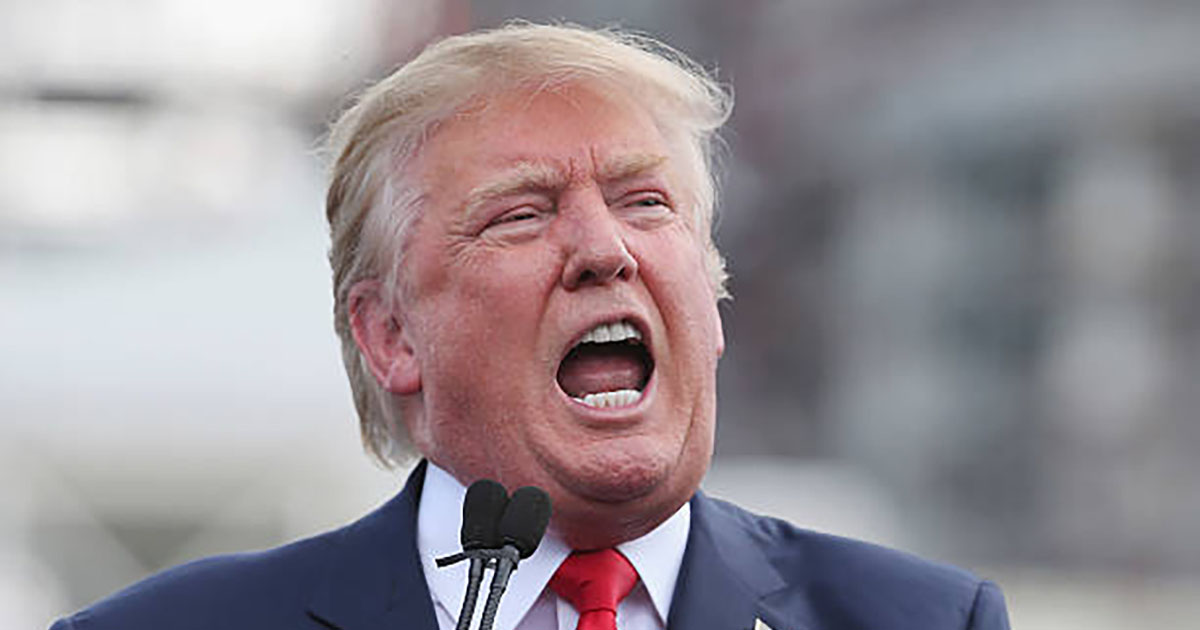
In the heart of the Swiss Alps, global economic leaders have converged for the World Economic Forum's annual congregation. However, the usual discussions of economic growth and sustainability are being overshadowed by political ripples caused by the visiting U.S. President. President Trump's attendance in Davos comes amid tensions fueled by his controversial efforts to acquire Greenland.
Once presented as a strategic move, the proposal has shifted to a diplomatic fumble in recent days. The President's persistence in attempting to secure the island—despite clear refusals from Denmark—has strained relations with close European allies. The discussion in Davos, therefore, has seen an underlying current of unease as traditional partnerships are tested against the backdrop of Trump's unconventional foreign policy moves.
Among the bustling ski chalets and packed conference rooms, the potential ramifications of this diplomatic strain are being closely monitored by global economists and policy experts. Some fear that this antagonism towards allies may further isolate the United States in international affairs, impacting global trade dynamics and economic collaborations. Meanwhile, others view this as yet another strategic play by the President, aimed at reshaping America's geopolitical influence with bold negotiations, even if it means ruffling some feathers along the way.
As discussions at the Forum progress, attendees are left pondering the possible outcomes of this escalating scenario. The focus on economic recovery and innovation is being momentarily diverted as the world watches how these diplomatic tensions will unfold, potentially affecting markets and international relations long after the snow in Davos has melted away.