
Trump Ascends to Unprecedented Power with Key Support from Faithful Aides
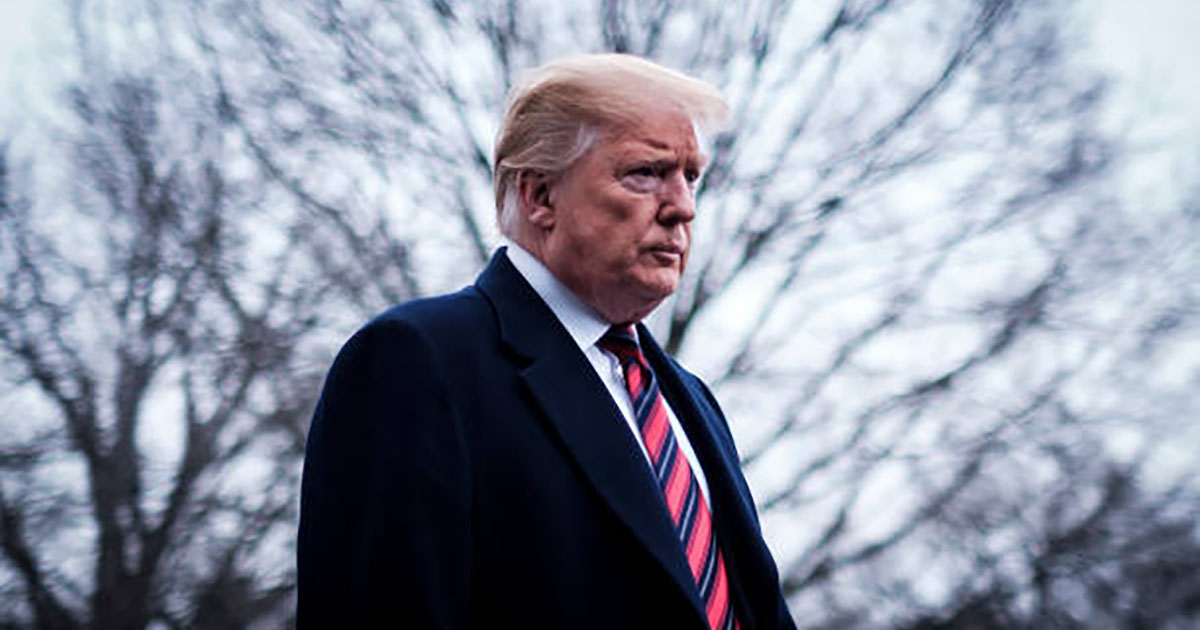
In a striking divergence from his initial tenure in the Oval Office, President Trump concludes the inaugural year of his second term with a notable absence of the conventional checks and balances that once seemed to temper his agenda. As the political landscape recalibrates, the ostensible reduction in institutional 'guardrails' fosters an environment where policy-making is less restrained, yet fraught with newfound challenges.
The administration's unfettered approach is exemplified by a series of executive orders that bypass lengthy legislative discussions, a strategic pivot that appears to capitalize on lessons learned from his previous term. Supporters champion this agility as necessary decisiveness in the face of complex global dynamics. Meanwhile, critics raise alarms about the implications for democratic oversight and the potential for overreach in an era defined by partisanship.
In Congress, the shifting power dynamics have precipitated a fresh wave of partisan polarization. Long-standing allies, once instrumental in preserving the balance of power, find their roles diminished, as the President's loyalist appointments strengthen his governance across key administrative positions. The political apparatus, both supportive and adversarial, grapples with this transformation, striving to adjust to a reality where traditional mechanisms of accountability are perceived as weakened.
As the nation observes this evolving political theater, the question looms: how will the reduction of these institutional guardrails redefine the American presidency? Investors and international partners alike are watching closely, gauging the ripple effects on global markets and diplomatic engagements. With no immediate return to prior norms in sight, the trajectory of this new era remains uncertain, inviting rigorous analysis and debate over its long-term impact.