
Jack Smith Set to Justify Trump Probes in Front of House GOP
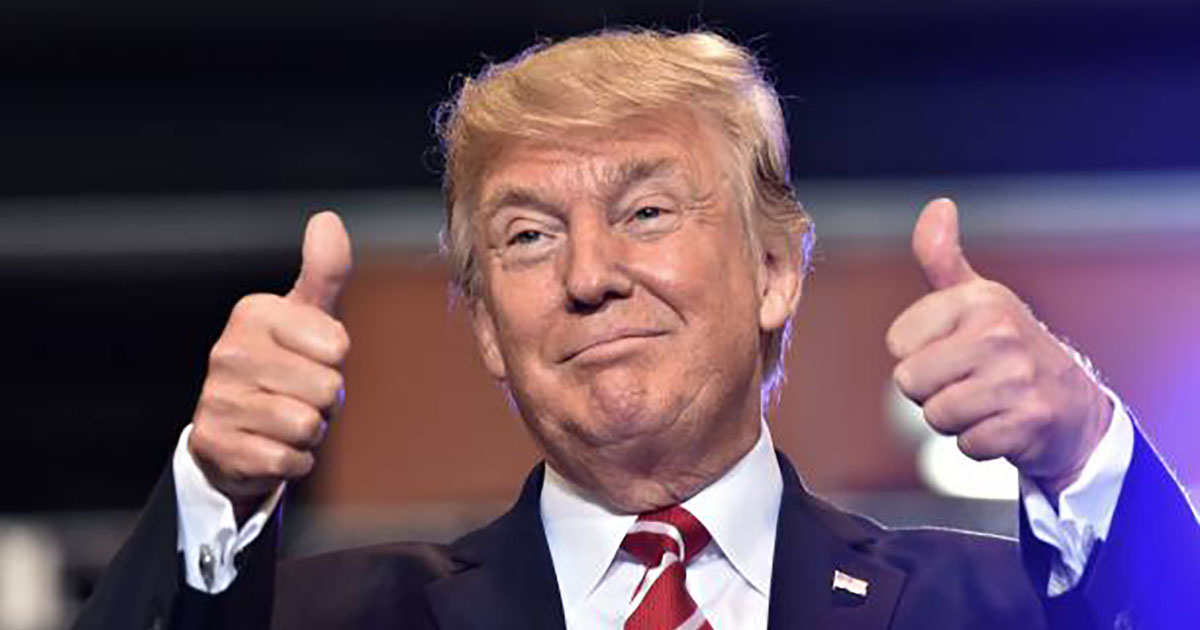
In a highly anticipated session that captivated watchers across the political spectrum, Jack Smith, the former special counsel, delivered his first public testimony before the House Judiciary Committee. His appearance marks a significant moment as it comes after he supervised two unprecedented federal criminal indictments of former President Donald Trump. The proceedings, held in a packed chamber, offered Smith a forum to shed light on the intricate workings behind these high-profile legal maneuvers.
Smith's disclosure was not merely procedural but rather a dramatic recounting of the steps leading up to the indictments that have stirred the political landscape. The outcomes of these proceedings have ignited a fierce bi-partisan debate about the justice system's role in political matters. As he fielded questions from the committee members, Smith maintained a poised composure, defending the integrity of his investigation while fending off pointed questions from Republican members who accused him of partisanship.
For some, Smith's appearance was an assurance that due process and the rule of law remain pillars of the American judicial system, even amid tumultuous political climates. Yet, for others, it was a testament to what they perceive as an escalation in the use of judiciary power against political figures. The hearing also underscored the broader implications of the indictments handled during Smith's tenure, with potentially lasting effects on the future interactions between legal frameworks and electoral politics.
Amid the rigorous questioning, Smith's testimony clarified some of the legal nuances surrounding Trump's indictments, which have been the subject of public speculation. His steadfast emphasis on procedural adherence and unbiased motive sought to counter claims of politically-motivated prosecution. The Committee hearing served as a critical episode not only in understanding the dynamics of federal legal processes but also in gauging the direction of future oversight on matters involving former presidents.