
Exploring Trump Country: Voices from MAGA Voters on a Potential Second Term
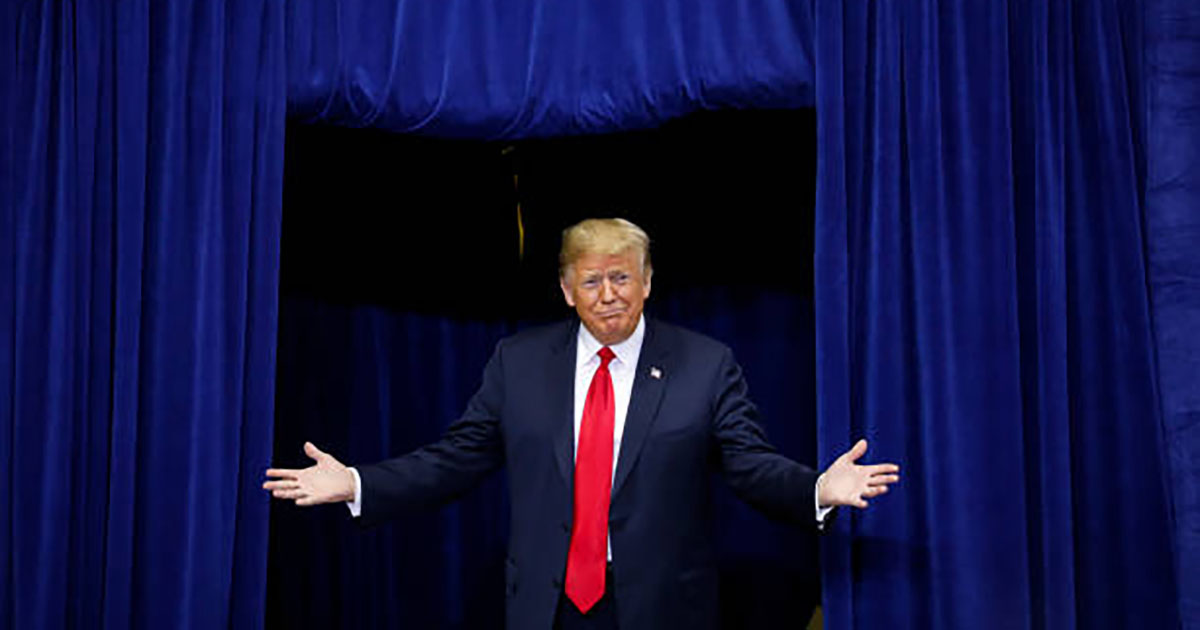
With the 2024 presidential election looming, our eyes turn to the heart of Trump's loyalist enclave to gauge the pulse on the former president's second-term agenda. We embarked on a road trip spanning conservative strongholds from Maryland's Eastern Shore to the rural stretches of New York, extending through Pennsylvania's breadbasket, to capture the sentiments that may swing the political pendulum in November. Our venture, part anthropological, part journalistic, revealed a tapestry of opinions — a testament to the enduring complexity of the American political landscape.
In the rolling farmlands of Maryland, discussions around Trump's second-term agenda are punctuated with a palpable undercurrent of optimism. Many here hail his past economic policies and pledges towards amplifying domestic job markets as the tonic for a post-pandemic recovery. At a bustling farmer's market in Easton, Ruth Harris, a septuagenarian who identifies as a lifelong Republican, emphasized, 'His America First agenda was sidelined. It's time we saw it through.' The sentiment echoes throughout the local community, which remains steadfast in their allegiance, determined to cast their votes for continuity under Trump in the November elections.
Traveling through the small towns of New York, the view becomes more nuanced. A faction of conservatives express steadfast loyalty, chalking up perceived missteps to a relentless media cycle eager for drama and division. Yet, there exists a growing introspection among some Republicans, questioning if Trump’s second term might tilt towards unnecessary drama instead of substantive policy-making. 'I want to see a focus on infrastructure and healthcare,' contemplates Luke Mayer, owner of a family-run hardware store in western New York. Nonetheless, discussions often retreat back to familiar ground — that of economic prosperity once promised under the Trump administration.
Pennsylvania, a battleground state decisive in previous elections, remains embroiled in its own dichotomy. In counties like Lancaster, overwhelmingly conservative, Trump's base rallies around his promises of deregulation and tax reforms. However, concerns about his polarizing demeanor and legal woes percolate beneath the surface; a growing concern among new and younger voters. 'We need change, but not at the cost of our democracy,' argues Cassandra Lewis, a university student in Pittsburgh. Holding the keys to the White House often seems as if it lies in the swing state's collective introspection, yet the bedrock support among more rural constituencies shows little sign of shifting.
Our journey through these steadfast counties reveals a landscape both steadfast and evolving, fertile grounds for nuanced political discourse within the Republican fold. As November approaches, the commitment of Trump’s base appears largely unwavering, yet the path to the ballot box is neither linear nor predetermined. The convergence of hope bolstered by economic prospects and the simmering questions about governance style will ultimately shape voter turnout and allegiance in an election cycle closely watched by both sides of the aisle.