
Supreme Court Challenges Trump's Agenda but Expands His Presidential Powers
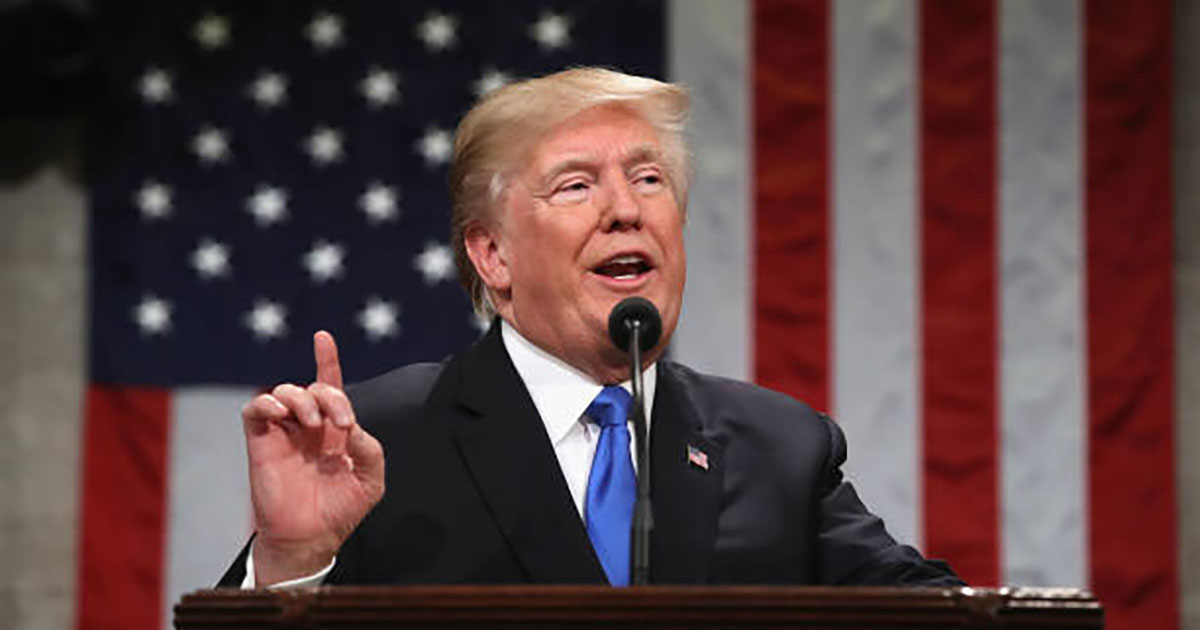
Amid a tumultuous political landscape, President Trump has continued to rally his base by highlighting the wins his administration has achieved. From deregulating industries to rolling out a tax overhaul, he has consistently pointed to what he terms the hallmarks of American prosperity. These accomplishments, argued the President, have stirred long-dormant segments of economic growth and revitalized the American spirit, resonating well with his core supporters.
However, the road has not always been smooth, leading to significant challenges during his tenure. Legislative setbacks have prompted Trump to seek alternative routes to fulfill his commitments. Critics argue that his methods, often unilateral, circumvent traditional political processes, inviting both legal scrutiny and public debate. Nonetheless, Trump's direct approach has become a hallmark of his presidency, an assertiveness that he portrays as necessary to break through what he describes as the inertia of bureaucratic gridlock.
Despite the setbacks, Trump remains defiant, arguing that obstacles stand as mere tests of resilience and an opportunity to showcase his administration's penchant for problem-solving. By strategically crafting his narrative and pushing through executive orders, Trump aims to maintain momentum and demonstrate to his supporters that his leadership style, though unconventional, yields tangible results.
Such posturing is not without its critics, who counter that end runs around traditional checks and balances might set contentious precedents. Yet, for Trump, the metrics of success lie in more immediate validation—stock market highs, vibrant town halls, and the steady hum of approval among his base. By framing both victories and challenges into a coherent storyline of progress, President Trump continues to forge an indelible imprint on the modern American presidency.